
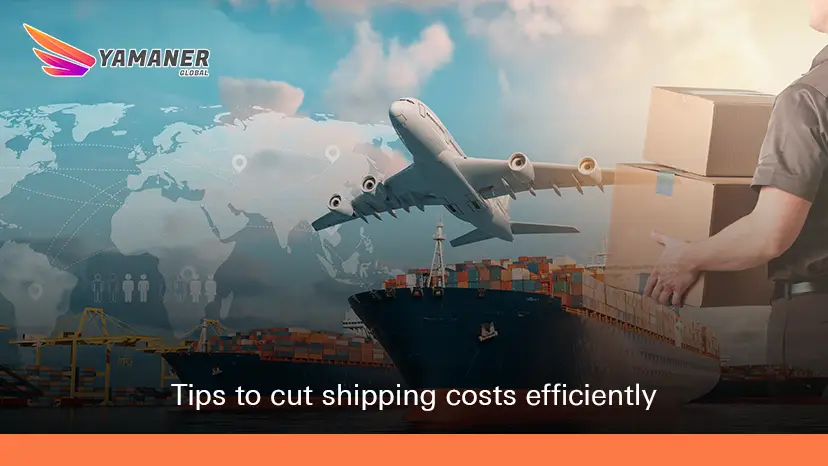
How to Reduce Shipping Costs Without Compromising Quality
Reduce shipping costs by optimizing packaging to avoid dimensional weight surcharges, negotiating rates with multiple carriers, and utilizing regional carriers for faster, cheaper local delivery. Key strategies include using shipping software for rate comparison, consolidating shipments, reducing void fill, and leveraging technology for better tracking and efficiency.
Optimize Packaging and Weight
Packaging plays a direct role in transportation pricing. Most carriers calculate shipping charges based on actual weight or dimensional (volumetric) weight — whichever is higher. Poor packaging design can significantly increase costs.
To achieve effective freight cost reduction, businesses should:
- Use right-sized packaging that fits products precisely
- Reduce empty space to minimize dimensional weight
- Select lightweight but durable packaging materials
- Standardize box sizes for recurring shipments
- Test alternative packaging designs to reduce cubic volume
Advanced strategies include investing in automated packaging systems that determine optimal box sizes per order, reducing waste and improving logistics efficiency.
Well-optimized packaging not only reduces shipping costs but also decreases the risk of product damage, returns, and replacement shipments, making it a cornerstone of sustainable shipping optimization and freight cost reduction strategies
Choose the Right Freight Method
Selecting the appropriate freight mode is one of the most impactful decisions when aiming to Reduce Shipping Costs. The right choice directly affects transit time, reliability, inventory turnover, and overall supply chain management performance. Every shipping decision should carefully balance urgency, cargo characteristics, destination, and budget constraints.
Making the wrong choice — such as using air freight for non-urgent bulk cargo — can significantly increase transportation expenses. On the other hand, choosing slower options for time-sensitive goods may result in stockouts, lost sales, or costly emergency shipments. Strategic freight selection is therefore a core element of effective shipping optimization.
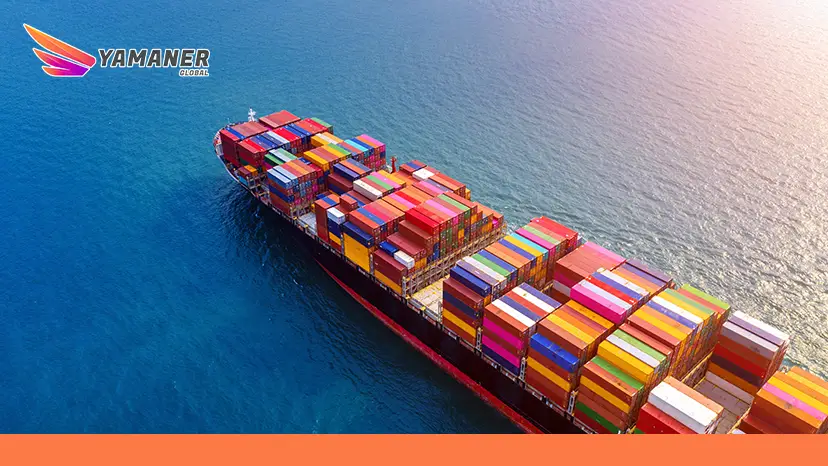
Sea Freight
Sea freight is typically the most cost-efficient solution for:
- Heavy or oversized cargo
- Bulk shipments
- Non-urgent deliveries
- Long-distance international trade
It offers lower cost per unit, especially when shipping full container loads (FCL). While transit times are longer, proper planning allows businesses to benefit from substantial freight cost reduction without compromising operational continuity.
Air Freight
Air freight is best suited for:
- High-value products
- Urgent or time-sensitive shipments
- Perishable goods
- Small to medium-sized cargo
Although more expensive, air freight can reduce inventory holding costs and prevent supply chain disruptions. In certain cases, the higher transportation rate is justified by faster delivery and improved cash flow cycles.
Land Freight
Land transportation is efficient for:
- Regional distribution
- Cross-border shipments
- First-mile and last-mile delivery
- Short to medium distances
Optimizing trucking routes and load capacity improves logistics efficiency, particularly for companies operating within connected geographic regions.
The Importance of Freight Comparison
Conducting regular freight comparisons is essential for sustainable freight cost reduction. Businesses should evaluate:
- Total landed cost (not just base freight rate)
- Transit time reliability
- Fuel surcharges and seasonal fluctuations
- Carrier performance metrics
- Risk exposure and insurance requirements
The cheapest upfront rate is not always the most economical option if delays disrupt production schedules or inventory availability. A data-driven approach to freight selection ensures stronger shipping optimization, improved delivery performance, and better long-term cost control.
Read Also :Logistics Services: Definition, Types, and Importance for Businesses and Individuals
Consolidate Shipments Efficiently
Cargo consolidation is one of the most effective strategies to Reduce Shipping Costs. By combining multiple small shipments into fewer, larger loads, businesses can significantly lower the cost per unit and streamline operations.
Benefits include:
- Volume discounts from carriers: Larger consolidated shipments often qualify for reduced rates, lowering overall transportation expenses.
- Reduced documentation and customs fees: Fewer shipments mean fewer invoices, bills of lading, and customs declarations, minimizing administrative costs and potential errors.
- Lower handling and warehouse labor costs: Consolidation reduces the number of loading, unloading, and sorting operations, improving labor efficiency.
- Improved truck and container utilization: Maximizing space in containers or trucks ensures that transport capacity is fully used, reducing wasted trips and lowering environmental impact.
Businesses with predictable order cycles can implement scheduled consolidation programs to optimize shipments consistently. This approach enhances logistics efficiency, supports smarter supply chain management, and contributes directly to sustainable freight cost reduction.
Read Also : How to Shop from Zara Turkey Online in 3 Simple Steps
Read Also : International Shipping Services: Your Complete Guide to Global Logistics
Improve Warehouse and Inventory Strategy
Warehouse location and inventory planning strongly influence shipping costs.
To reduce expenses:
- Position warehouses closer to key customer markets
- Use distributed fulfillment models to shorten delivery distances
- Optimize reorder points to avoid urgent shipments
- Implement inventory forecasting tools to balance stock levels
Strategic warehouse placement reduces last-mile transportation costs and shortens delivery times. Automation tools within warehouses also minimize errors, labor inefficiencies, and delays — all contributing to better freight cost reduction.
Negotiate Better Carrier Contracts
Long-term partnerships with carriers often result in improved pricing structures. Businesses with consistent shipping volumes can negotiate:
- Discounted bulk rates
- Long-term contract pricing
- Reduced peak-season surcharges
- Loyalty program benefits
Rather than relying on spot rates, structured agreements provide cost predictability and support sustainable freight cost reduction strategies.
Plan Ahead to Avoid Extra Fees
Many unnecessary expenses in shipping arise from poor planning. Expedited shipping, storage fees, demurrage, and seasonal surcharges can quickly escalate costs if shipments are not scheduled carefully. Proactive planning is a key strategy to Reduce Shipping Costs while maintaining smooth operations.
To minimize extra charges:
- Forecast demand accurately
- Ship before peak seasons
- Prepare accurate customs documentation
- Avoid last-minute emergency shipments
- Monitor global logistics disruptions
Proactive planning strengthens supply chain management and reduces reactive decision-making that inflates shipping costs.
Read Also : Sea Freight vs Air Freight: Which Shipping Method Is Right for You?
Partner with an Experienced Logistics Provider
An experienced logistics partner can play a major role in helping businesses Reduce Shipping Costs while maintaining reliability and operational efficiency. Professional providers bring market knowledge, carrier networks, and technical expertise that support long-term freight cost reduction strategies.
Yamaner Global delivers integrated logistics solutions designed to enhance shipping optimization and improve overall supply chain management performance across international markets.
Professional logistics providers offer:
- Freight cost analysis: Identifying cost drivers and recommending practical reduction strategies
- Carrier rate comparisons: Evaluating multiple transport options to secure competitive pricing
- Customs documentation management: Reducing delays, penalties, and compliance risks
- Route and transit optimization: Selecting efficient transport corridors to balance cost and speed
- Integrated technology solutions: Enhancing shipment visibility, tracking, and reporting
- Risk mitigation strategies: Implementing contingency planning and cargo protection measures
By combining operational expertise with data-driven insights, experienced logistics partners like Yamaner Global strengthen logistics efficiency, minimize unnecessary expenses, and ensure sustainable cost control across global shipping operations.

Read Also : Best Turkish online stores for shopping from Türkiye
Read Also : Heavy Cargo Shipping Solutions: Safe and Efficient Transport
Ready to Cut Your Shipping Costs?
Partner with Yamaner Global today and start optimizing your freight strategy. Whether it’s cargo consolidation, route planning, or customs management, Yamaner provides tailored solutions to Reduce Shipping Costs while improving delivery speed and reliability.
Get a Free Shipping Consultation Now and Maximize Your Logistics Efficiency!
Frequently Asked Questions About Reducing Shipping Costs
1. How can businesses lower shipping expenses?
Businesses can lower shipping costs by optimizing packaging, choosing the right freight method, consolidating shipments, planning ahead, and partnering with an experienced logistics provider like Yamaner Global. Leveraging technology and data analytics also uncovers hidden cost drivers.
2. Does shipment consolidation reduce costs?
Yes. Combining multiple small shipments into larger loads reduces cost per unit, minimizes handling fees, and can unlock volume discounts from carriers, improving overall freight cost reduction.
3. How does packaging affect shipping rates?
Shipping rates are often calculated based on actual or dimensional weight (whichever is higher). Efficient, right-sized packaging reduces volumetric weight, lowers transportation costs, and minimizes the risk of damage during transit.
4. Is sea freight always cheaper?
Sea freight is generally more economical for heavy, bulky, or non-urgent shipments. However, air freight may be more cost-effective for high-value or time-sensitive goods when considering inventory carrying costs and delivery speed. The most cost-effective option depends on cargo type, urgency, and route.
5. How can planning improve cost efficiency?
Proactive planning—such as forecasting demand, shipping before peak seasons, and preparing accurate documentation—helps avoid urgent shipments, extra fees, and delays. Efficient planning directly improves logistics efficiency and supports sustainable shipping cost reduction.