
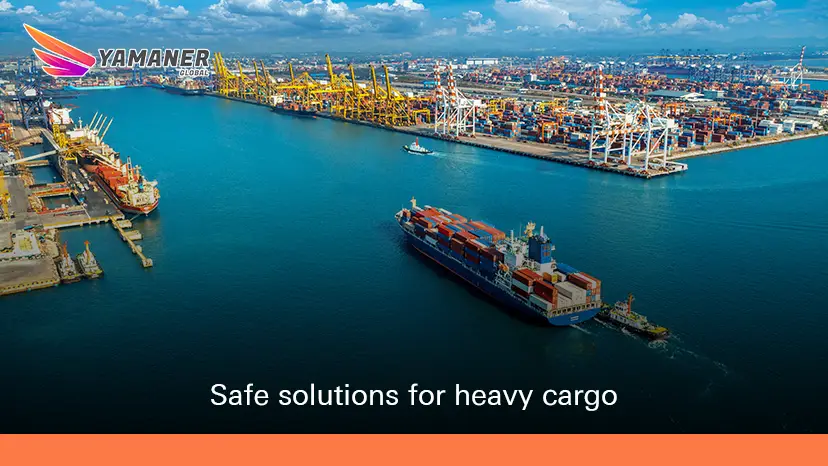
Transporting large, bulky, or unusually heavy goods requires specialized logistics solutions to ensure safety, compliance, and efficiency. Heavy Cargo Shipping plays a critical role in industries such as construction, manufacturing, energy, and infrastructure, where oversized or industrial equipment must be moved across local and international routes.
Understanding what qualifies as heavy cargo, the best shipping methods, safety standards, cost considerations, and insurance requirements is essential for successful project execution and minimizing operational risks.
What Qualifies as Heavy Cargo?
Heavy Cargo Shipping refers to goods or equipment that exceed standard shipping dimensions, weight limits, or handling requirements. These shipments require specialized planning, transport solutions, and strict adherence to safety standards to ensure secure delivery.
- Industrial machinery and factory equipment: Large-scale machines, assembly lines, presses, or production units that are too heavy or bulky for standard freight.
- Construction and mining equipment: Excavators, bulldozers, cranes, and other machinery used in infrastructure or mining projects.
- Large generators, turbines, or boilers: Critical energy or industrial components with significant weight and volume, often requiring custom crating and handling.
- Oversized vehicles and transport modules: Trucks, buses, modular trailers, or other transport modules that exceed conventional dimensions.
- Specialized project cargo for infrastructure projects: Items such as bridge segments, wind turbine blades, or prefabricated structures that demand precise handling and route planning.
Effectively identifying what qualifies as heavy cargo allows logistics providers to plan meticulously, safeguard high-value or critical equipment, and maintain efficiency in transporting complex project cargo.
Best Shipping Methods for Heavy Equipment
Moving heavy or oversized freight requires selecting appropriate shipping methods that can accommodate weight and dimensions safely, ensuring efficient and secure Heavy Cargo Shipping. The right transport mode depends on the cargo’s size, urgency, and handling requirements:
- Sea Freight (Project Cargo Shipping):
Ideal for extremely large shipments, sea freight provides high capacity and flexibility. Full chartered vessels or specialized container configurations can handle oversized industrial equipment. - Air Freight:
Used for urgent, high-value, or moderately heavy equipment. Specialized cargo aircraft or charter services can transport oversized items, though at a higher cost. - Land Transport:
Heavy-duty trucks, low-bed trailers, or modular transport systems are used for domestic or cross-border heavy cargo, often combined with sea or air freight in multimodal shipping solutions.
Selecting the right method balances cost, speed, and operational feasibility for safe and efficient delivery.
Read Also : Sea Freight vs Air Freight: Which Shipping Method Is Right for You?
Safety Standards in Heavy Freight
Compliance with freight safety standards is a fundamental aspect of Heavy Cargo Shipping. Because oversized and industrial equipment shipments involve substantial weight and complex handling requirements, strict adherence to safety protocols is essential to prevent accidents, cargo damage, or financial loss.
Key considerations for heavy freight safety include:
- Proper Load Securing and Lashing:
All cargo must be firmly secured on trucks, vessels, or aircraft to prevent shifting during transit. This includes using heavy-duty straps, chains, braces, or specialized containers designed for oversized freight. - Weight Distribution Planning and Route Assessment:
Oversized shipments require careful analysis of weight distribution to avoid overloading transport vehicles or vessels. Route assessments identify bridges, tunnels, road restrictions, port limitations, and potential hazards, ensuring safe passage for heavy cargo. - Adherence to Local and International Regulations:
Transporting industrial equipment often involves compliance with strict legal standards. This includes vehicle permits, port authority requirements, customs regulations, and international conventions for oversized freight. Ensuring compliance reduces delays and liability risks. - Specialized Handling Equipment:
Loading and unloading heavy cargo requires cranes, forklifts, hydraulic lifts, or roll-on/roll-off systems. Using the appropriate equipment minimizes the risk of accidents and protects both personnel and cargo.
Professional heavy cargo providers implement rigorous safety checks and standardized protocols, including pre-shipment inspections, secure packaging, and monitoring during transit. These measures maintain cargo integrity from origin to destination and are critical for the successful delivery of complex project cargo.
By following comprehensive safety standards, businesses can transport industrial equipment, oversized freight, and project cargo efficiently while mitigating operational risks and ensuring compliance with international logistics requirements.
Read Also : Smart Ways to Lower Shipping Costs While Maintaining Quality
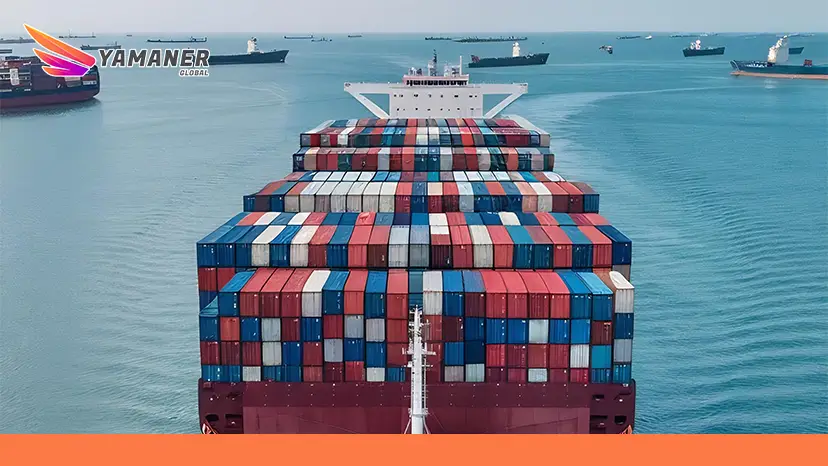
Cost Considerations for Oversized Shipments
Shipping heavy cargo is inherently more expensive due to specialized handling, equipment, and transport requirements. Costs depend on:
- Shipment weight, volume, and dimensions
- Shipping method (sea, air, or land)
- Route complexity and permits for oversized freight
- Handling requirements and special equipment needs
- Seasonal demand and fuel surcharges
Planning and consultation with experienced logistics providers can help optimize costs while maintaining safety and timeliness for industrial equipment transport.
Insurance and Risk Management
In Heavy Cargo Shipping, insurance plays a crucial role in protecting valuable shipments against potential risks such as loss, damage, or delays. Given the complexity, weight, and size of oversized freight or industrial equipment, unforeseen incidents during transport can result in significant financial losses. Comprehensive cargo insurance provides coverage and safeguards both the shipper and the consignee.
Key areas covered by insurance for heavy cargo include:
- Physical Damage: Protection against damage that may occur during loading, transit, or unloading, including accidents, mishandling, or environmental factors.
- Loss or Theft: Coverage for stolen or lost cargo, particularly high-value industrial equipment or specialized project cargo.
- Delays or Disruptions: Financial protection in case of delays caused by route obstacles, port congestion, customs issues, or regulatory challenges.
Partnering with insured and experienced logistics providers ensures that all heavy cargo shipments are adequately covered, minimizing exposure to risks and providing peace of mind. Additionally, professional freight forwarders integrate risk assessment and mitigation strategies into transport planning, ensuring that oversized freight moves safely, securely, and efficiently from origin to destination.
With proper cargo insurance and proactive risk management, businesses can confidently transport heavy equipment and project cargo while safeguarding their investment and maintaining supply chain reliability.
Read Also : International Shipping Services: Your Complete Guide to Global Logistics
Ready to Ship Your Heavy Cargo Safely?
Don’t let oversized or industrial equipment shipments slow down your operations. Partner with experts who specialize in Heavy Cargo Shipping, project cargo, and industrial equipment transport, ensuring compliance with freight safety standards and full cargo insurance coverage.
Contact us today to get a customized shipping quote and move your heavy cargo with confidence, efficiency, and complete peace of mind.

Frequently Asked Questions about Heavy Cargo Shipping
How is heavy cargo transported internationally?
Heavy cargo is moved using specialized transport methods depending on size, weight, and urgency. Common methods include sea freight (project cargo vessels, full or partial container loads), air freight (cargo planes for urgent or moderately heavy shipments), and land transport (low-bed trailers, heavy-duty trucks, or multimodal solutions).
How are heavy cargo costs calculated?
Costs are influenced by factors such as cargo weight, volume, shipping method, route complexity, handling requirements, permits, insurance, and any special equipment needed for loading or unloading. Professional logistics providers can help optimize costs while maintaining safety and efficiency.
What is project cargo shipping?
Project cargo shipping refers to the transportation of large, heavy, or complex goods that require special handling, planning, and logistics coordination. This includes industrial equipment, construction materials, turbines, generators, or infrastructure components, often shipped as part of large-scale industrial or infrastructure projects.