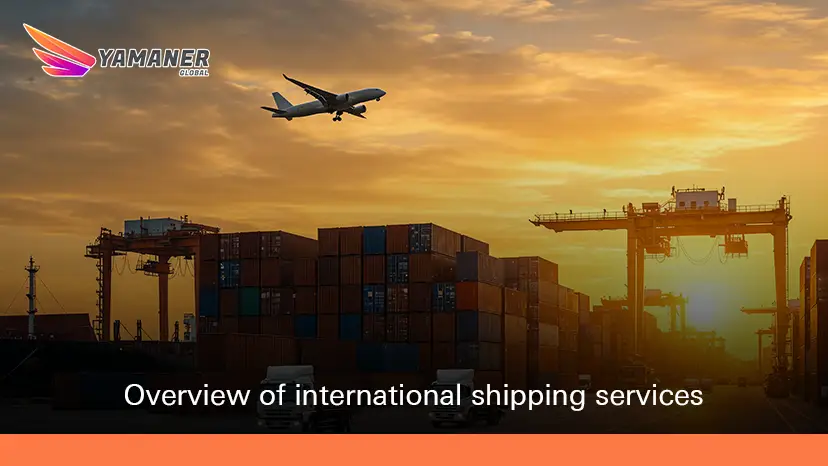
In today’s interconnected economy, International Shipping Services are no longer optional they are the backbone of global trade. Whether you are a growing e-commerce brand, a manufacturer exporting goods, or a business expanding into new markets, efficient cross-border shipping determines your speed, reliability, and customer satisfaction.
At Yamaner Global, we provide tailored global freight solutions designed to simplify complex supply chains and ensure your cargo reaches its destination safely and on time.
What Are International Shipping Services?
International Shipping Services refer to the transportation of goods across international borders using air, sea, or land freight networks. These services involve much more than simply moving cargo from one country to another.
They typically include:
- Cargo transportation via air, sea, or road:
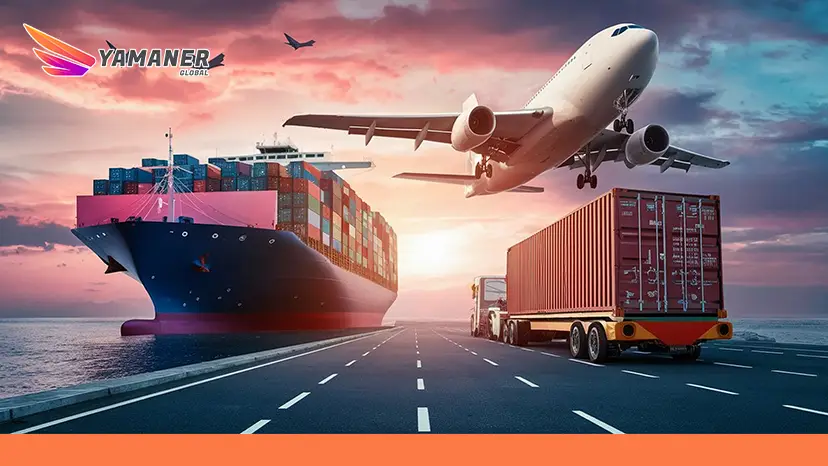
This involves selecting the most suitable transport mode based on urgency, shipment size, cost considerations, and destination requirements. Air freight ensures speed, sea freight provides cost-efficiency for large volumes, while road freight enables flexible regional delivery. In many cases, multimodal cargo transportation is used to balance efficiency and cost. - Freight forwarding coordination:
Freight forwarding acts as the operational backbone of international shipments. It includes booking cargo space with carriers, negotiating freight rates, arranging loading schedules, coordinating transshipment points, and ensuring smooth communication between all parties involved in the supply chain. - Customs clearance procedures:
Every international shipment must comply with import and export regulations. Customs clearance includes tariff classification, duty calculations, regulatory compliance checks, and communication with customs authorities to prevent delays, penalties, or shipment holds. - Documentation management:
Accurate documentation is essential in International Shipping Services. This includes preparing and verifying commercial invoices, packing lists, bills of lading, air waybills, certificates of origin, and any country-specific regulatory paperwork. Proper documentation ensures seamless border crossing and protects businesses from compliance risks. - Warehousing and logistics management:
Many shipments require temporary storage, consolidation, inventory control, or redistribution. Advanced logistics management systems track cargo movement, monitor storage conditions, and optimize supply chain flow to enhance operational efficiency. - Final delivery to the consignee:
The process concludes with last-mile delivery, ensuring that goods reach the consignee safely, on schedule, and in proper condition. This stage often involves local transportation networks and coordinated scheduling.
When all these components are professionally integrated, International Shipping Services transform into structured global freight solutions that reduce transit time, control costs, improve transparency, and enhance overall supply chain reliability.
Types of International Freight Options
Choosing the right freight method depends on urgency, cargo type, volume, and budget. Below are the main options available within International Shipping Services:
1. Air Freight
Air freight is ideal for urgent shipments, high-value goods, and time-sensitive deliveries. It offers speed and security, making it suitable for electronics, medical supplies, and express commercial goods.
2. Sea Freight
Sea freight is the most cost-effective solution for large volumes and heavy cargo. Businesses commonly use full container load (FCL) or less than container load (LCL) options depending on shipment size.
3. Road Freight
Road cargo transportation is commonly used for regional cross-border trade. It provides flexibility and door-to-door delivery options, especially across connected land routes.
4. Multimodal Freight
A combination of air, sea, and road transport optimized under one logistics management system. This approach balances cost and delivery speed while improving supply chain coordination.
Read Also : Sea Freight vs Air Freight: Which Shipping Method Is Right for You?
Key Documents Required for Global Shipping
Accurate documentation is essential in International Shipping Services. Missing or incorrect paperwork can lead to costly delays.
The most important documents include:
- Commercial Invoice
This is the primary financial document issued by the exporter to the buyer. It contains detailed information about the goods, including product description, quantity, unit price, total value, currency, and payment terms. Customs authorities use the commercial invoice to assess duties and taxes. - Packing List
The packing list provides detailed information about how goods are packed, including weight, dimensions, number of packages, and packaging type. It helps customs officers verify cargo contents and supports warehouse teams in handling and inspection procedures. - Bill of Lading (B/L) – for Sea Freight
The Bill of Lading is a legal transport document issued by the carrier. It serves three main functions:- Receipt of goods
- Contract of carriage
- Document of title
It is essential in sea freight operations and plays a critical role in cargo release at destination ports.
- Air Waybill (AWB) – for Air Freight
Similar to the Bill of Lading but used for air shipments, the Air Waybill is issued by the airline or freight forwarder. Unlike the B/L, it is not a title document but serves as proof of shipment and transport agreement. - Certificate of Origin
This document certifies the country where the goods were manufactured or produced. Many countries require it to determine tariff rates, apply trade agreements, or enforce import restrictions. - Customs Declaration Forms
These forms provide detailed information about the shipment to customs authorities, including value, classification codes (HS codes), and regulatory compliance details. Accurate customs declarations are essential for smooth border processing. - Insurance Certificate (if applicable)
When cargo is insured, an insurance certificate confirms coverage against loss, damage, or unforeseen risks during cargo transportation. - Import/Export Licenses (for restricted goods)
Certain products such as medical supplies, chemicals, food items, or electronics may require additional permits depending on destination regulations.
Proper documentation directly impacts the efficiency of freight forwarding operations. Experienced logistics providers carefully review every document before shipment to ensure alignment with both exporting and importing country laws. This level of diligence reduces clearance delays, prevents regulatory violations, and supports reliable global freight solutions.
In professional International Shipping Services, documentation management is not treated as a routine task — it is a strategic process that safeguards cargo movement and protects business continuity across international markets.
Read Also : Heavy Cargo Shipping Solutions: Safe and Efficient Transport
Factors That Affect Shipping Costs
Shipping costs vary depending on several logistical and operational elements. Understanding these factors helps businesses plan more effectively.
1. Shipping Method
Air freight costs more than sea freight due to speed and operational expenses.
2. Weight and Volume
Charges are calculated based on actual weight or volumetric weight, whichever is higher.
3. Destination and Distance
Longer routes and remote destinations increase cargo transportation expenses.
4. Customs Duties and Taxes
Import regulations, tariffs, and clearance fees directly affect total cost.
5. Fuel Prices and Seasonal Demand
Global economic conditions and peak seasons may influence freight rates.
Reliable logistics management helps optimize shipping routes and reduce unnecessary expenses.
How to Choose the Right Shipping Partner
Selecting the right provider for International Shipping Services can determine the success of your global operations.
Here are essential criteria to evaluate:
Experience in Freight Forwarding
A strong background in freight forwarding ensures smoother coordination between carriers, ports, and customs authorities.
Comprehensive Global Freight Solutions
Look for companies offering end-to-end services — from cargo pickup to final delivery.
Customs Clearance Expertise
Efficient customs clearance minimizes delays and avoids compliance risks.
Transparent Pricing
Clear quotations with no hidden fees allow better financial planning.
Strong Logistics Management Systems
Advanced tracking systems and real-time updates improve operational control and customer confidence.
Why Businesses Trust Yamaner Global
Businesses rely on strong logistics partners to protect their supply chains and maintain operational continuity. Here’s why companies choose Yamaner Global for their International Shipping Services:
- Integrated Global Freight Solutions:
The company provides end-to-end shipping services, combining freight forwarding, cargo transportation, customs clearance, and logistics management under one coordinated system to ensure smooth international operations. - Expertise in Freight Forwarding:
With deep industry experience, Yamaner Global manages carrier negotiations, route planning, shipment scheduling, and documentation accuracy to reduce transit risks and avoid unnecessary delays. - Efficient Customs Clearance:
A specialized approach to customs procedures ensures compliance with international trade regulations, minimizing clearance delays and protecting businesses from penalties or shipment holds. - Flexible Cargo Transportation Options:
Whether by air, sea, or land, shipments are handled using optimized routes tailored to urgency, cargo type, and budget requirements. - Advanced Logistics Management:
Structured logistics planning and tracking systems provide transparency and operational control throughout the shipping process. - Scalable Solutions for Every Business Size:
From small parcels to full container loads and large-scale commercial cargo, each shipment receives the same level of precision, compliance, and efficiency. - Commitment to Reliability and Timeliness:
Every operation is managed with strict adherence to schedules and international standards, helping businesses maintain customer satisfaction and supply chain stability.
Through structured International Shipping Services and dependable global freight solutions, Yamaner Global supports companies aiming to expand confidently across international markets.
Read Also : Smart Ways to Lower Shipping Costs While Maintaining Quality
Ready to Expand Your Business Globally
Take the next step with reliable International Shipping Services designed to keep your cargo moving efficiently across borders.
Partner with Yamaner Global for secure freight forwarding, seamless customs clearance, and fully integrated global freight solutions tailored to your business needs.
Request your customized shipping quote today and let our logistics experts streamline your international cargo transportation with precision, compliance, and confidence.
Frequently Asked Questions About International Shipping Services
What is included in international shipping services?
International Shipping Services typically cover the complete process of moving goods across borders. This includes cargo transportation by air, sea, or road; freight forwarding coordination; customs clearance procedures; documentation management; warehousing when needed; and final delivery to the consignee. Many providers also offer logistics management systems that allow shipment tracking and supply chain optimization.
How long does international shipping usually take?
Transit time depends on several factors, including the shipping method, origin and destination countries, customs procedures, and seasonal demand.
- Air freight: Usually takes a few days to one week.
- Sea freight: Typically ranges from 2 to 6 weeks depending on route and port congestion.
- Road freight: Varies based on distance and border processing times.
Customs clearance efficiency and documentation accuracy also play a major role in overall delivery timelines.
What documents are required for global shipping?
The required documents may vary by country and cargo type, but commonly include:
- Commercial Invoice
- Packing List
- Bill of Lading (for sea freight) or Air Waybill (for air freight)
- Certificate of Origin
- Customs Declaration Forms
- Import/Export licenses (if applicable)
Accurate documentation is essential for smooth customs clearance and avoiding delays.
How are international shipping costs calculated?
Shipping costs are generally determined by:
- Freight method (air, sea, or road)
- Shipment weight and volumetric weight
- Distance and destination country
- Customs duties, taxes, and clearance fees
- Fuel surcharges and seasonal rate fluctuations
- Additional services such as warehousing or insurance
Professional freight forwarding companies analyze these variables to provide transparent quotations and optimized global freight solutions.
How do I select a reliable freight company?
Choosing the right logistics partner requires careful evaluation. Consider the following:
- Proven experience in freight forwarding and cargo transportation
- Expertise in customs clearance regulations
- Strong logistics management and tracking systems
- Transparent pricing with no hidden charges
- Positive reputation and consistent delivery performance
Working with an established provider like Yamaner Global ensures structured International Shipping Services supported by operational precision, regulatory compliance, and dependable global freight solutions.