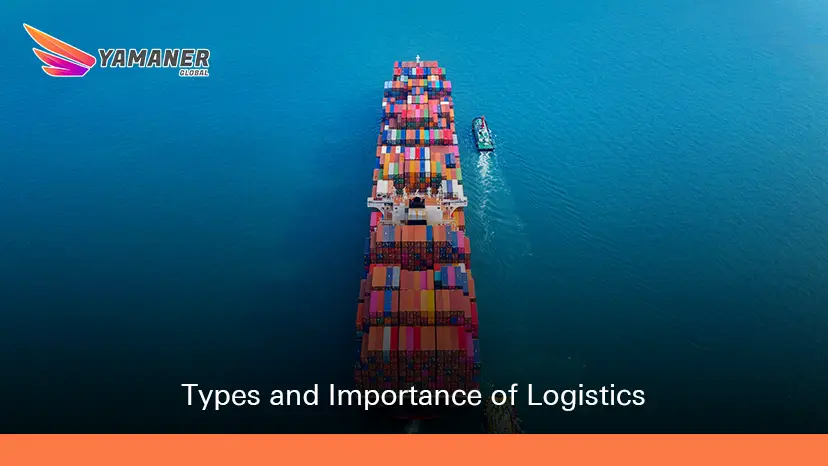
In the modern global economy, the movement of goods is no longer a simple task of moving a box from point A to point B. It has evolved into a sophisticated science. For businesses looking to scale, understanding what are the logistics services? is the first step toward operational excellence and market dominance.
What are the logistics services?
To define it simply, logistics services refer to the comprehensive management of how resources are acquired, stored, and transported to their final destination. It involves the coordinated movement of goods, information, and funds. When people ask what are the logistics services?, they are referring to the invisible engine that ensures products are available on shelves and at doorsteps exactly when needed.
The Importance of Logistics Services in Business and Trade
Logistics is far more than just a support function; it is the strategic backbone of global commerce. In today’s hyper-competitive landscape, the quality of your logistics services can be the deciding factor between a thriving enterprise and a struggling one. Its importance is multifaceted:
- Significant Cost Reduction & Optimization: Beyond simple transport, efficient shipping and transportation strategies utilize route optimization and load consolidation to minimize expenses. By reducing “dead miles” and optimizing fuel consumption, professional logistics can save companies millions annually. It transforms logistics from a “cost center” into a “profit driver” by streamlining the entire supply chain management process.
- Elevating Customer Satisfaction & Brand Loyalty: In the modern era of “instant gratification” and “one-click delivery,” customers demand speed and transparency. A robust logistics network ensures that products are not only delivered quickly but also arrive in perfect condition. Features like real-time tracking and reliable delivery windows build trust, turning a one-time buyer into a loyal brand advocate.
- Risk Mitigation & Supply Chain Resilience: A well-managed logistics plan includes contingency strategies for port strikes, weather delays, or fuel price spikes. This resilience ensures that your business stays operational even when global trade routes face disruptions, maintaining a steady flow of goods to your target markets.
- Inventory Management & Capital Flow: Effective logistics services ensure that capital is not tied up in excess inventory. Through “Just-in-Time” (JIT) delivery and smart warehousing and storage solutions, businesses can maintain leaner inventories, improving cash flow and reducing the risks of product obsolescence.
Types of Logistics Services
Logistics is not a one-size-fits-all solution. There are several specialized types of logistics services:
- Inbound Logistics: Managing the flow of raw materials coming into a business.
- Outbound Logistics: The distribution of finished products to the end consumer.
- Third-Party Logistics (3PL): Outsourcing your logistics operations to a specialized provider like Yamanir.
- Reverse Logistics: Handling returns, repairs, and recycling processes.
Role of Logistics Services in Supply Chain Management
While often used interchangeably, logistics is actually a specialized component of supply chain management. While the supply chain focuses on the big-picture strategy and supplier relationships, logistics handles the tactical execution—ensuring the physical movement of cargo happens seamlessly through freight forwarding and local distribution.
How to Choose a Reliable Logistics Service Provider
Selecting the right partner is a critical business decision that directly impacts your bottom line. To ensure your cargo is in safe hands, you should evaluate potential providers based on these three pillars of excellence:
- Proven Expertise in Your Specific Sector: Not all cargo is created equal, and a “one-size-fits-all” approach can be disastrous. A reliable provider must demonstrate a deep understanding of the unique requirements for warehousing and storage tailored to your industry. For instance, textiles require climate-controlled environments to prevent moisture and mold, while electronics demand high-security protocols and anti-static handling. Choosing a partner like Yamanir ensures that your specific product standards are maintained from the factory floor to the final destination.
- Total Transparency in Pricing and Documentation: In the world of international shipping and transportation, “hidden fees” are the enemy of profitability. A professional provider offers a transparent, all-inclusive pricing model. This means no surprise charges during customs clearance, port handling, or documentation processing. Clear communication regarding duties, taxes, and service fees allows you to calculate your landed cost accurately, ensuring your retail margins remain protected and your business stays profitable.
Key Benefits of Using Logistics Services
Outsourcing to professionals offers immediate advantages:
- Scalability: You can increase shipping volumes during peak seasons without buying your own trucks.
- Risk Management: Professional freight forwarding includes insurance and contingency planning for unforeseen delays.
- Focus on Core Business: You focus on marketing and sales while the logistics partner handles the heavy lifting.
Technology in Logistics: Tracking and Analytics
By 2026, technology has revolutionized the industry. Advanced logistics services now include:
- Real-Time Tracking: Customers can see the exact GPS location of their shipment.
- Big Data Analytics: Predictive tools that analyze weather and port congestion to suggest the fastest routes.
- Automated Warehousing: Using AI to optimize warehousing and storage space and retrieval times.
Logistics Services for Domestic and International Shipping
- Domestic Shipping: Focuses on speed and “Last Mile” delivery within a specific country.
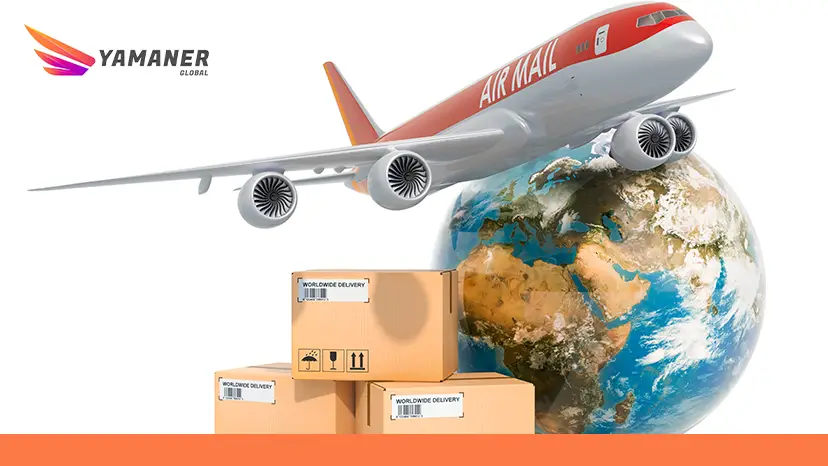
- International Shipping: Involves complex customs regulations, duties, and various modes of transport (Sea, Air, and Land). Whether it is Shipping from China or Turkey, international logistics requires deep legal and operational knowledge.
Tips to Improve Logistics Efficiency in Your Business
- Consolidate Shipments: Combine smaller orders to save on bulk shipping rates.
- Audit Your Supply Chain: Regularly review your supply chain management processes to identify bottlenecks.
- Partner with Experts: Working with a dedicated provider like Yamanir ensures you benefit from the latest industry standards and optimized costs.
Why Yamaner is Your Ideal Logistics Partner
Understanding what are the logistics services? is just the beginning. Implementing them effectively requires a partner who treats your business as their own. At Yamanir, we provide world-class shipping and transportation solutions tailored to the Middle Eastern market, ensuring your growth is never limited by logistics.
Ready to Streamline Your Global Trade?
” Don’t let logistical complexities slow down your business growth. Partner with Yamanir for seamless, end-to-door solutions that save you time and money.
Frequently Asked Questions About Logistics Services
What is the difference between inbound and outbound logistics?
The difference lies in the direction of the flow within the supply chain management process:
- Inbound Logistics: Refers to the transport, storage, and delivery of goods coming into your business. This typically involves receiving raw materials or inventory from suppliers to your warehouse or factory.
- Outbound Logistics: Focuses on the movement of finished products out of your business to the end consumer or retail stores. It includes order fulfillment, packing, and “last-mile” delivery.
How do logistics services improve delivery speed?
Professional logistics services act as a catalyst for speed through several strategic methods:
- Route Optimization: Using advanced software to select the shortest and most efficient paths for shipping and transportation.
- Strategic Warehousing: Storing goods in hubs close to your target markets (like Riyadh or Jeddah) to reduce the distance to the final customer.
- Cross-Docking: Minimizing storage time by moving products directly from receiving to outgoing shipping with little to no downtime.
How can logistics services reduce operational costs?
A smart logistics strategy is a major “cost-saver” for any business by:
- Consolidation: Combining multiple smaller shipments into one larger container to share costs, a core feature of third-party logistics.
- Reduced Inventory Waste: Better tracking prevents overstocking and the spoilage of sensitive goods.
- Customs Expertise: Avoiding expensive fines and storage penalties at ports through accurate documentation and proactive freight forwarding management.