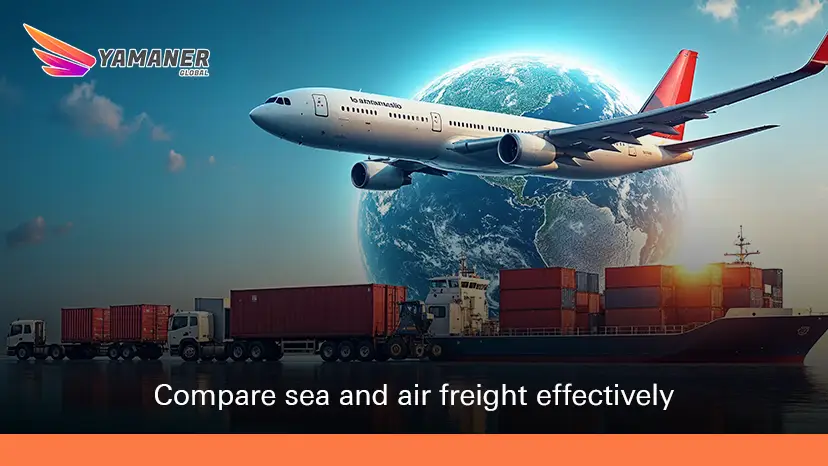
When planning international shipments, one of the most important decisions businesses face is choosing between Sea Freight vs Air Freight. Sea freight is generally more cost-effective for large, heavy, or bulky goods (30–45+ days), while air freight is faster and more secure for urgent, high-value, or small shipments (1–7 days). Air transport is 12–16 times costlier but ideal for time-sensitive cargo, whereas ocean freight is best for bulk, offering higher capacity and lower environmental impact.
Understanding Sea Freight Shipping
Sea freight shipping involves transporting goods via cargo vessels across international waters. It is one of the most widely used methods in global trade due to its cost-efficiency for large shipments.
Key characteristics of sea freight include:
- Ideal for Heavy, Oversized, or Bulk Cargo:
Sea freight can handle extremely large or heavy shipments that are impractical or too expensive to transport by air. From industrial machinery to construction materials, shipping via ocean vessels allows businesses to move oversized cargo without size or weight restrictions that often apply in air transport. - Suitable for Full Container Load (FCL) and Less Than Container Load (LCL) Shipments:
Businesses can choose FCL when they have enough goods to fill an entire container, offering maximum security and efficiency. Alternatively, LCL allows smaller shipments to be consolidated with other cargo, reducing costs while still benefiting from the economies of scale provided by containerized shipping. This flexibility is a key advantage in managing inventory and planning international shipments. - Lower Shipping Costs Compared to Air Transport:
Sea freight is significantly more economical for transporting large volumes over long distances. Costs are typically calculated per container or per cubic meter, making it ideal for bulk shipments. For businesses aiming to control international logistics expenses, ocean transport provides a major cost advantage without compromising cargo safety. - Longer Cargo Transit Time Depending on Distance and Port Schedules:
Unlike air freight, sea freight involves longer transit times that can range from 30 to 45+ days, depending on the shipping route, port congestion, and customs procedures. Although slower, careful planning allows businesses to optimize schedules and maintain consistent supply chains, especially for non-urgent deliveries. - Key Role in International Logistics:
Sea freight serves as the backbone of global trade, enabling large-scale cross-border commerce between continents. It is particularly crucial for businesses that need to transport high-volume goods efficiently while balancing costs, cargo size, and delivery timing. Despite the longer transit period, sea freight remains the most practical and sustainable solution for bulk, non-time-sensitive shipments, with additional benefits such as lower environmental impact compared to air transport.
Overall, Sea Freight vs Air Freight highlights that sea freight combines cost efficiency, high capacity, and operational flexibility, making it an indispensable component of international logistics strategies. For companies involved in large-scale shipping operations, sea freight allows bulk goods to move across continents economically while maintaining reliability and scalability. When integrated strategically with air freight for urgent shipments, it ensures a balanced and efficient global supply chain, optimizing both shipping costs and cargo transit time.
Understanding Air Freight Shipping
Air freight shipping uses commercial or cargo aircraft to transport goods between countries, making it the preferred option when speed, reliability, and express shipping are critical. It is especially suitable for time-sensitive, high-value, or perishable shipments where fast cargo transit time directly impacts business operations.
- Fastest Cargo Transit Time Available:
Air freight provides the quickest option for international shipping, typically delivering goods within 1–7 days depending on origin, destination, and customs procedures. This makes it ideal for businesses that operate on tight schedules or require rapid replenishment of inventory. - Higher Shipping Costs Compared to Sea Freight:
The speed and convenience of air transport come at a premium. Costs are usually calculated based on actual or volumetric weight, and fees include airport handling, fuel surcharges, and security measures. Despite the higher price, air freight is often justified for high-value or urgent shipments where time equals revenue. - Ideal for Urgent, High-Value, or Perishable Goods:
Air freight is particularly suitable for products that cannot tolerate long transit times, such as electronics, medical supplies, pharmaceuticals, perishable foods, and fashion items. Its efficiency reduces the risk of spoilage, obsolescence, or delayed market entry. - Strong Security Standards and Reduced Handling Time:
Airports and airlines implement stringent security measures, reducing the risk of damage, theft, or loss during transit. Additionally, the handling process is streamlined, with fewer touchpoints compared to sea freight, which further enhances cargo safety and reliability. - Supports Express Shipping Solutions:
Many businesses rely on air freight for express shipping, ensuring products reach customers or partners quickly. This is critical in industries where speed affects competitiveness, customer satisfaction, and supply chain efficiency.
Overall, air freight provides unmatched speed, reliability, and security in international logistics, making it the go-to choice for businesses that prioritize fast delivery and time-sensitive cargo, even if it comes at a higher cost compared to sea freight.
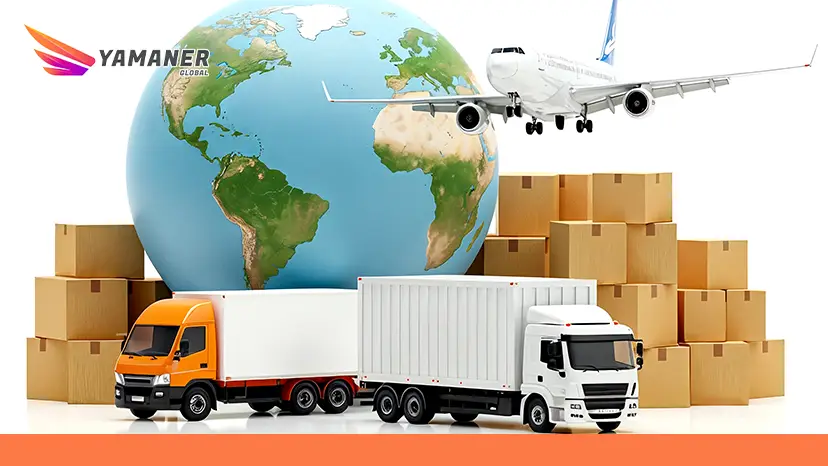
Read Also : Heavy Cargo Shipping Solutions: Safe and Efficient Transport
Cost Comparison Between Sea and Air Freight
When evaluating Sea Freight vs Air Freight, one of the biggest considerations in any freight comparison is cost. Choosing the right method can significantly impact your overall international logistics expenses.
- Sea Freight:
Offers significantly lower shipping costs for large volumes and heavy cargo. Pricing is typically calculated per container or cubic meter. - Air Freight:
More expensive due to speed, fuel consumption, and airport handling fees. Costs are calculated based on actual weight or volumetric weight, whichever is higher.
For businesses focused on cost control within international logistics operations, sea freight is generally the more economical choice. However, when urgency outweighs budget constraints, air freight justifies its higher pricing.
Transit Time Differences
Cargo transit time is a major differentiator in the Sea Freight vs Air Freight debate.
- Sea Freight Transit Time:
Can range from 2 to 6 weeks depending on origin, destination, customs clearance, and port congestion. - Air Freight Transit Time:
Typically ranges from 1 to 7 days, including customs processing.
Companies operating in fast-moving markets or handling urgent replenishment cycles often prefer air freight to minimize delays and maintain supply chain continuity.
Read Also : Smart Ways to Lower Shipping Costs While Maintaining Quality
When to Choose Each Shipping Method
Choosing between Sea Freight vs Air Freight depends on carefully balancing shipping costs, urgency, and the specific characteristics of your cargo. Understanding when to use each method ensures efficient international logistics and optimal supply chain management.
Choose Sea Freight When:
- Shipping large volumes or heavy cargo
- Budget optimization is a priority
- Delivery deadlines are flexible
- Goods are non-perishable
Choose Air Freight When:
- Fast cargo transit time is critical
- Shipment value is high
- Products are perishable or time-sensitive
- Express shipping is required
In many international logistics strategies, businesses combine both methods depending on operational needs using sea freight for bulk shipments and air freight for urgent inventory replenishment.
Unsure About Sea Freight vs Air Freight?
Make the right choice for your international shipments with Yamaner Global, balancing cost, speed, and cargo type.
- Sea Freight: Best for large, heavy, or non-urgent shipments with lower shipping costs and high capacity.
- Air Freight: Ideal for urgent, high-value, or perishable goods, offering the fastest and most secure delivery.
Let the experts at Yamaner Global guide you to the most efficient solution for your business.
Get Your Shipping Quote Today and streamline your global freight with speed, reliability, and complete peace of mind.
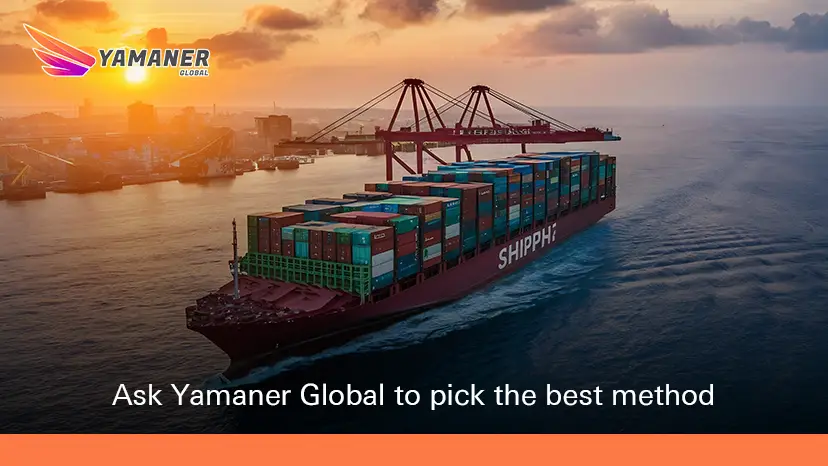
Read Also : International Shipping Services: Your Complete Guide to Global Logistics
Frequently Asked Questions – Sea Freight vs Air Freight
Is sea freight cheaper than air freight?
Yes, sea freight is generally much cheaper than air freight, especially for large volumes, heavy, or bulky cargo. Air freight is 12–16 times more expensive due to speed, fuel, and airport handling fees.
How much faster is air freight?
Air freight is significantly faster, typically delivering shipments within 1–7 days, compared to sea freight, which can take 30–45+ days depending on distance, port schedules, and customs clearance.
Which shipping method is safer?
Both methods are secure, but air freight offers stronger security standards and reduced handling points, making it ideal for high-value or sensitive goods. Sea freight is also reliable but involves longer transit and more handling during loading and unloading.
When should I choose air freight?
Choose air freight when speed is critical, shipments are high-value, perishable, or time-sensitive, or when express shipping is required to meet urgent business needs.
Can I ship heavy cargo by air?
While air freight can transport heavy cargo, it is more cost-effective for smaller or medium-weight shipments. Very large or extremely heavy goods are usually more suitable for sea freight, which provides higher capacity at lower cost.