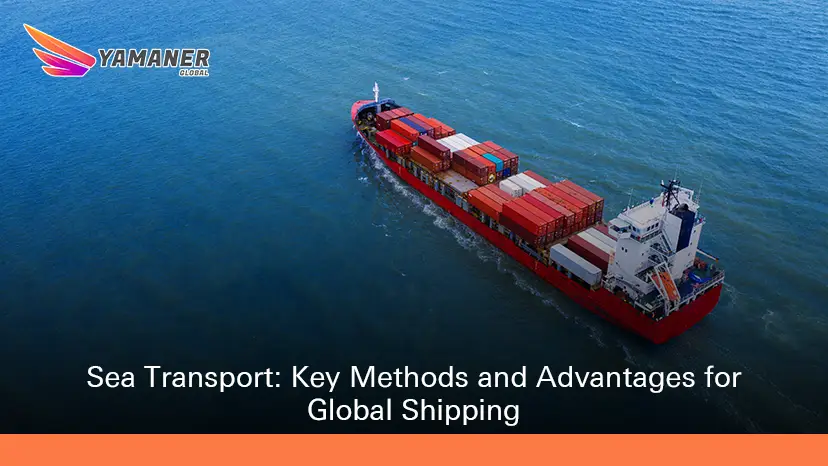
Sea transport methods are essential for global trade, primarily utilizing container ships for standardized cargo, bulk carriers for loose materials (like coal or grain), and tankers for liquids. Specialized options include Roll-on/Roll-off (Ro-Ro) for vehicles, reefer ships for temperature-controlled goods, and heavy-lift vessels. Shipping options include FCL (Full Container Load) and LCL (Less than Container Load)
What is Sea Transport?
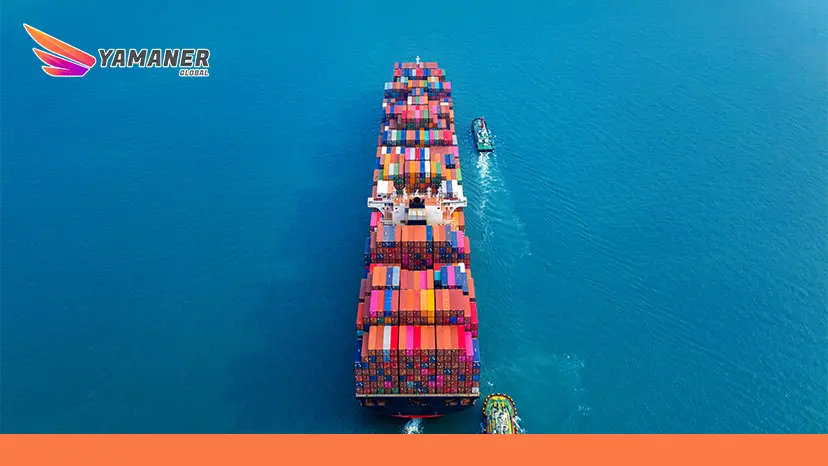
Sea transport, often referred to as maritime shipping, is the process of transporting goods and passengers via saline water using various types of vessels. It is the oldest and most reliable form of long-distance transport, designed to move massive quantities of cargo across continents through established international shipping lanes.
Types of Sea Transport Methods
Choosing the right method depends on the nature of your goods:
- Container Shipping (FCL & LCL): The most common method using standard 20ft or 40ft containers.
- FCL (Full Container Load): You rent the entire container.
- LCL (Less than Container Load): You share space with other shippers, paying only for the volume you use.
- Bulk Shipping: Used for unpackaged cargo like grains, coal, or minerals.
- Ro-Ro (Roll-on/Roll-off): Specialized for wheeled cargo like cars, trucks, and heavy machinery that can be driven on and off the ship.
Advantages of Sea Transport Compared to Air and Land Transport
While air transport wins on speed and land transport offers “last-mile” flexibility, sea transport remains the undisputed leader for international trade due to its unique strategic benefits. Understanding these advantages helps businesses make informed decisions about their logistics spend:
- Superior Cost-Effectiveness: The most significant advantage of maritime shipping is the dramatic reduction in freight costs. For heavy, bulky, or high-volume shipments, air freight can be up to 12–15 times more expensive. By utilizing container shipping, businesses can move massive quantities of goods at a fraction of the price, allowing for higher profit margins and more competitive retail pricing.
- Maximum Environmental Efficiency: In an era where corporate sustainability is a priority, sea transport is the “greener” choice. Large vessels emit significantly fewer greenhouse gases per ton of cargo moved compared to aircraft or heavy-duty trucks. Modern sea transport methods are increasingly focusing on slow-steaming and alternative fuels, further solidifying its position as the most eco-friendly way to move goods across the globe.
- Reduced Infrastructure Constraints: While land transport is often limited by road quality, traffic congestion, and border crossings, the open ocean provides “unlimited” capacity. This reduces the risk of bottlenecks that often plague trucking and rail networks, especially when crossing multiple international borders.
- Storage Flexibility: Sea transport often serves as a “floating warehouse.” For goods that do not require immediate delivery, the longer transit time can be strategically used to manage inventory flow, reducing the need for expensive land-based warehousing at the destination until the goods are actually needed
How to Choose the Right Sea Transport Method for Your Cargo
To select the best method, consider these three factors:
- Volume and Weight: Use LCL for small shipments and FCL for larger ones.
- Nature of Goods: Perishables might require “Reefer” (refrigerated) containers, while liquids require tankers.
- Urgency: If time is not the primary constraint but budget is, sea transport methods are your best bet.
Role of Logistics Companies in Sea Transport
Logistics providers act as the strategic architects of your shipment. They handle the complexities of:
- Booking space with major shipping lines.
- Managing complex documentation like the Bill of Lading.
- Providing door-to-port or door-to-door solutions, ensuring a seamless flow of goods.
Tracking Shipments and Cargo at Sea
Modern maritime shipping utilizes GPS and satellite technology. By using the container number or the Bill of Lading (B/L), shippers can monitor their cargo’s real-time location. Professional logistics platforms now provide automated alerts regarding the “Estimated Time of Arrival” (ETA), allowing for better inventory planning.
Tips to Reduce Sea Transport Costs
In the competitive world of international trade, managing logistics expenses is key to maintaining healthy profit margins. By implementing these strategic sea transport methods, you can significantly lower your overhead and avoid unnecessary surcharges:
- Optimize Packaging (Maximize Utilization): Freight costs are often driven by volume. To avoid paying for “empty air,” ensure your cargo is packed as efficiently as possible. Use standardized pallet sizes and specialized packaging designs that fit perfectly into container shipping dimensions. Proper “stuffing” of the container not only reduces the risk of damage but also ensures you move the maximum amount of product for the same freight rate.
- Strategic Planning and Off-Peak Booking: The maritime shipping industry is subject to seasonal fluctuations. By planning your shipments weeks in advance, you can avoid “Peak Season Surcharges” (PSS) which typically occur before major global holidays. If your supply chain allows, shipping during slack periods can result in significantly lower ocean freight rates.
- Strategic Port Selection: The closest port is not always the most cost-effective. High-traffic hubs often have higher port fees and longer waiting times. Sometimes, choosing a secondary or less congested port—even if it requires a slightly longer inland haul—can save you a fortune in “Demurrage” and “Detention” charges caused by port bottlenecks.
- Consolidate Cargo (LCL vs. FCL Strategy): Understanding when to switch between LCL (Less than Container Load) and FCL (Full Container Load) is vital. While LCL is great for small volumes, once your cargo reaches about 15–20 cubic meters, it is often cheaper to book a full 20ft container (FCL). This eliminates the “co-loading” fees and reduces the risk of handling damages.
- Negotiate Incoterms Wisely: The “International Commercial Terms” (Incoterms) you agree upon with your supplier dictate who pays for which part of the journey. Negotiating terms like FOB (Free On Board) can give you more control over choosing your own freight forwarder and negotiating better rates, rather than relying on the supplier’s pre-arranged (and often marked-up) shipping costs.
- Utilize Real-Time Tracking to Avoid Fines: Use Tracking Shipments technology to stay informed about your cargo’s location. By knowing the exact “Estimated Time of Arrival” (ETA), you can pre-arrange customs clearance and inland transport. This precision helps you avoid expensive storage fees at the port and “Detention” fines for returning empty containers late.
Sea Transport for Commercial vs. Personal Shipping
While the ships and containers may be the same, the strategies behind commercial shipping and personal shipping differ significantly in terms of documentation, cost-structure, and handling priorities.
Commercial Shipping: The Engine of Business Growth
For businesses, maritime shipping is a strategic tool designed to maintain a competitive edge. The focus here is on:
- High-Volume Scalability: Commercial entities typically utilize container shipping (FCL) to move large inventories, benefiting from economies of scale that drive down the per-unit cost of goods.
- Supply Chain Reliability: Businesses prioritize “Transit Time” and “Sailing Frequency” to ensure that production lines or retail shelves remain stocked. Reliability in the schedule is often more critical than the lowest possible price.
- Complex Documentation: Commercial shipments require a comprehensive set of documents, including Commercial Invoices, Packing Lists, Certificates of Origin, and specialized permits to comply with international trade laws and tax regulations.
Personal Shipping: Focus on Security and Compliance
Personal shipping is usually a one-time or infrequent event, such as an international relocation or shipping a privately owned vehicle. The priorities shift toward:
- Protective Packaging and Safety: Unlike standardized commercial goods, personal effects are often sentimental and irregularly shaped. This requires specialized “Crating” or “Soft-Packing” to prevent damage during the long journey across the ocean.
- Customs Exemptions and Personal Regulations: Individuals can often benefit from “Used Household Goods” exemptions, which allow them to import belongings duty-free under specific conditions. Understanding these local customs laws is vital to avoid unexpected taxes at the destination port.
- Flexible Volume (LCL Focus): Most personal shipments do not fill an entire 40ft container. Therefore, sea transport methods like LCL (Less than Container Load) are the most popular, allowing individuals to pay only for the specific cubic meters their belongings occupy.
Understanding the right sea transport methods is a game-changer for any business looking to scale globally. By leveraging the cost-efficiency of container shipping and the expertise of a reliable logistics partner, you can ensure your products cross the oceans safely and affordably.
Ready to scale your business? Get a custom shipping quote for your next cargo today and let Yamaner experts handle the rest!”
Frequently Asked Questions About Sea Transport
Is sea transport faster than air transport?
No, sea transport is significantly slower than air transport. While a plane can deliver cargo across continents in 1–3 days, maritime shipping usually takes between 15 to 45 days depending on the distance and route. However, sea transport is the preferred choice for those prioritizing cost-effectiveness and high-volume capacity over speed.
How can I track a shipment at sea?
You can easily perform tracking shipments by using the unique Bill of Lading (B/L) number or the Container Number. Simply enter this code into the tracking portal of your logistics provider, such as Yamanair, or the official website of the shipping line. This allows you to see the real-time location of the vessel and the “Estimated Time of Arrival” (ETA).
How long does sea transport take for international shipping?
The duration of maritime shipping varies based on several factors:
- Short Routes: (e.g., within the Mediterranean or Gulf) can take 5–10 days.
- Long-Haul Routes: (e.g., from China to Saudi Arabia) typically take 20–35 days.
- Global Routes: (e.g., from the USA to the Middle East) can take 35–50 days.
Factors like port congestion, weather conditions, and transshipment points also influence the final delivery time.