
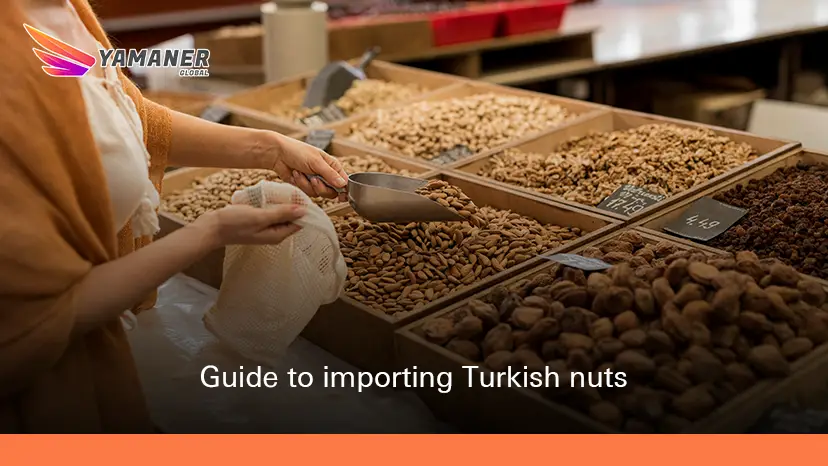
In the global food trade, Turkey stands as a titan of quality and flavor. For businesses looking to diversify their inventory, importing Turkish nuts is not just a transaction; it is a strategic move to secure premium products for a demanding market. In this guide, we dive deep into the technical and logistical details of partnering with a professional Shipping company to bring the best Turkish nuts directly to your warehouse with maximum efficiency.
Why are Turkish nuts an ideal import option?
The global demand for Turkish nuts continues to soar in 2026 due to a combination of natural advantages and advanced industrial standards. Here is why businesses worldwide prioritize them:
- Superior Quality and Rich Flavor Profiles: Turkey’s unique geographical position and diverse microclimates provide the ideal environment for growing the best Turkish nuts. From the fatty, nutrient-rich hazelnuts of the Black Sea to the vibrant, flavorful pistachios of Gaziantep, the soil quality ensures a taste that is difficult to replicate in other regions.
- Strict Compliance with Global Food Safety Standards: Modern Turkish processing facilities are world leaders in hygiene and technology. They strictly adhere to international standards such as ISO 22000 and HACCP, ensuring that when you are buying Turkish nuts, you are receiving a product that is free from contaminants and meets the rigorous health regulations of the EU, GCC, and North American markets.
- Year-Round Availability and Massive Production Capacity: As one of the world’s largest producers, Turkey offers a consistent supply chain. This high production volume allows for stable pricing and the ability to fulfill bulk orders for large-scale importing Turkish nuts operations, even during periods of high global demand.
- Diverse Varieties and Custom Processing: The Turkish market offers an incredible range of types of Turkish nuts. Beyond raw products, exporters provide value-added services such as roasting, blanching, slicing, and customized packaging (vacuum-sealed or nitrogen-flushed) to maintain freshness during long-distance shipping.
- Strategic Logistics and Trade Agreements: Turkey’s location as a bridge between Europe and Asia makes it a logistical powerhouse. This proximity reduces transit times and shipping costs. Furthermore, many countries benefit from trade agreements with Turkey, which can significantly lower customs duties when importing Turkish nuts, enhancing your overall ROI.
Popular Types of Turkish Nuts
Before placing an order, it is essential to understand the different types of Turkish nuts available for export. Each variety has its own grading system and seasonal availability:
- Hazelnuts (Fındık): Turkey produces about 70% of the world’s hazelnuts, mostly from the Black Sea region.
- Pistachios (Antep Fıstığı): Known for their intense green color and rich flavor, ideal for the confectionery industry.
- Walnuts and Almonds: These are increasingly becoming popular for health-conscious consumer markets.
- Roasted Leblebi (Chickpeas): A traditional Turkish snack that is gaining traction in the global healthy-snacking sector.
Steps to Import Turkish Nuts
Successfully importing Turkish nuts in 2026 requires a systematic approach to navigate international trade laws and ensure product integrity. Follow these essential steps to streamline your procurement process:
Comprehensive Market Research:
Before committing to a shipment, identify which types of Turkish nuts are in highest demand within your local market. For instance, while some markets prefer raw hazelnuts for industrial confectionery, others may have a higher retail demand for roasted and salted pistachios. Understanding consumer preferences ensures a faster turnover for your inventory.
Rigorous Supplier Verification:
The foundation of a successful business is the reliability of your partner. Vet potential exporters based on their international certifications (such as BRC, IFS, or ISO) and their past performance. A reputable provider of the best Turkish nuts will be transparent about their processing methods and will gladly provide references from previous international clients.
Mandatory Sample Testing:
Never finalize a bulk order without a physical inspection. Always request samples to verify the grade, caliber, and moisture content of the nuts. For those buying Turkish nuts for the first time, this step is critical to ensure the product matches the technical specifications required for your specific industry or retail standards.
Strategic Contract Negotiation:
Clearly define the Incoterms—whether it is FOB (Free on Board), CIF (Cost, Insurance, and Freight), or a complete Door-to-Door solution. In 2026, many savvy importers will prefer the “Door-to-Door” model because it places the logistical responsibility on the shipping company, allowing you to focus on sales rather than customs paperwork.
Ensuring Proper Documentation and Certification:
Confirm that your supplier can provide all necessary export documents, including the Phytosanitary Certificate, Certificate of Origin, and detailed Analysis Reports. This is a vital part of importing Turkish nuts to prevent any delays or rejections at the port of entry during customs clearance.
If you are looking to expand your food business, you might also consider sourcing high-quality ingredients from leading Chocolate factories in Türkiye.
Best Turkish Nut Export Companies
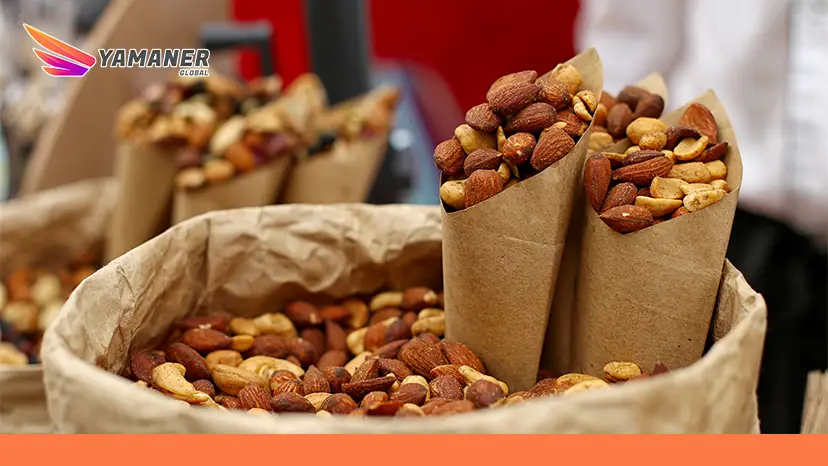
The market is filled with suppliers, but the best Turkish nuts come from companies that prioritize transparency, food safety, and sustainable sourcing. Finding the right partner is not just about the price; it’s about the reputation of the export hubs they operate in.
- Regional Specialization (The Golden Hubs): When searching for top-tier exporters, look for companies located in specific agricultural heartlands. For instance, the world’s premium hazelnuts are concentrated in the Ordu and Giresun regions, while the best Turkish nuts in the pistachio category are sourced from Gaziantep and Şanlıurfa. Companies with a direct presence in these cities often have better control over the harvest quality.
- Certification and Compliance Leaders: Reliable export companies in 2026 are those that treat quality control as a priority. Leading exporters will proactively provide a “Certificate of Analysis” and “Phytosanitary Certificates” as a standard part of their export package. These documents are proof that you are buying Turkish nuts that have been tested for aflatoxins, moisture levels, and overall purity.
- Technological Integration: The best exporters utilize advanced sorting technology (such as laser color sorters) to ensure uniformity in size and quality. When importing Turkish nuts, prioritize companies that invest in modern packaging solutions—like modified atmosphere packaging (MAP)—which preserves the natural oils and crunch of the product during its international journey.
Turkish logistics are not just for food; they also support the seamless export of luxury goods from top Perfume companies in Türkiye.
Shipping Methods for Turkish Nuts
Logistics play a crucial role in maintaining product freshness. Depending on your budget and urgency, you can choose:
- Sea Freight: The most cost-effective method for bulk orders of Turkish nuts, typically using 20ft or 40ft containers.
- Land Freight: Ideal for regional imports (e.g., to the Middle East or Europe), offering a balance between speed and cost.
- Air Freight: Reserved for high-value or urgent samples, ensuring the product arrives in peak condition.
To discover a wider range of products and competitive prices, many importers explore the massive wholesale markets in Türkiye.
Tips for Successful Importing
- Strategically Check Seasonal Pricing: Timing is everything in the commodities market. To secure the most competitive rates, align your bulk orders with the Turkish harvest cycle—typically occurring in late summer and early autumn (August to October). Buying Turkish nuts during this window not only ensures lower prices due to high supply but also guarantees you receive the freshest stock from the new season’s yield.
- Verify Rigorous Packaging Standards: The high oil content in nuts makes them susceptible to oxidation. To prevent “rancidity” during long transit times, ensure your supplier uses advanced packaging standards. Options like vacuum-sealed bags, nitrogen flushing, or Modified Atmosphere Packaging (MAP) are essential for preserving the crunch and nutritional value of the best Turkish nuts until they reach your local warehouse.
- Prioritize Professional Logistics and Tracking: The success of importing Turkish nuts depends on the speed and conditions of transport. Utilizing an Express shipping company that provides real-time Shipment tracking allows you to monitor environmental factors like temperature and humidity. This level of oversight is vital for maintaining the premium quality of sensitive types of Turkish nuts during their journey.
Beyond the food sector, Turkey is a global powerhouse for fashion, with many businesses relying on premium Clothing suppliers from Türkiye.
Requesting a Quote for Importing Turkish Nuts
Ready to stock the best Turkish nuts in your market?
To provide you with an accurate quote, please have your cargo dimensions, required types of Turkish nuts, and final destination ready.
Would you like to receive a customized shipping quote for your first batch of Turkish nuts?
Contact our experts today!
Frequently Asked Questions about Turkish Nuts
How are Turkish nuts imported?
The process involves four key steps: Sourcing from verified suppliers, ensuring Compliance with food safety standards (ISO/HACCP), securing mandatory Documentation (Phytosanitary Certificate), and arranging Logistics via a specialized shipping company to your destination.
What are the best types of Turkish nuts to import?
The most profitable types of Turkish nuts include premium Hazelnuts (from Ordu), Antep Pistachios (known for intense flavor), and high-quality Walnuts. For niche markets, Roasted Leblebi is also a top choice.
How much does it cost to import nuts from Türkiye?
The “landed cost” depends on the product price (seasonal variations), shipping fees (based on freight mode), and customs duties determined by your country’s trade agreements with Turkey.
How long does it take to ship Turkish nuts?
Shipping times vary: Air Freight takes 3–5 days, Land Freight takes 7–14 days, and Sea Freight typically takes 15–30 days. Using an Express shipping company can further accelerate these timelines.