

International Shipping Documents include the Commercial Invoice (lists value/contents for customs), Packing List (details weight/dimensions), and Bill of Lading or Air Waybill (acts as a contract of carriage and proof of ownership). Other key documents include a Certificate of Origin (verifies manufacturing location), Shipper’s Letter of Instruction (guides freight forwarders), and Export/Import Licenses.
Commercial Invoice Explained
The Commercial Invoice is the cornerstone of International Shipping Documents and serves as the primary financial record for cross-border transactions. It provides a detailed account of the shipment, including the buyer and seller information, a precise description of goods, unit price, total value, payment terms, and any applicable discounts or taxes.
- Basis for Customs Valuation: Customs authorities rely on the commercial invoice to assess import duties, taxes, and tariffs accurately. Inaccurate or incomplete invoices can lead to overpayment, fines, or shipment delays.
- Supports Freight Compliance: By providing exact product details and pricing, the commercial invoice ensures adherence to international trade regulations, helping businesses maintain freight compliance.
- Required for Multiple Purposes: It is essential not only for customs clearance but also for insurance claims, financial auditing, and import/export reporting. Insurers use it to verify the declared value in case of damage or loss, while auditors reference it for transactional accuracy.
- Prevents Disputes: A well-prepared commercial invoice reduces misunderstandings between buyers, sellers, carriers, and customs authorities. It clearly documents transaction terms, which minimizes potential conflicts over payment, product quantity, or pricing.
Additionally, commercial invoices often include HS codes, country of origin, and shipping instructions, which further streamline clearance procedures and improve overall logistics efficiency. Ensuring this document is precise and complete is a fundamental step in smooth international trade operations and helps avoid costly delays or compliance issues.
Read Also : International Shipping Services: Your Complete Guide to Global Logistics
Read Also : Best Turkish online stores for shopping from Türkiye
Bill of Lading and Airway Bill
The Bill of Lading (B/L) and Airway Bill (AWB) are essential International Shipping Documents that prove the contract of carriage between shipper and carrier.
- Bill of Lading (Sea Freight): This document acts as both a receipt for shipped goods and a title of ownership for ocean freight. It confirms that the carrier has received the cargo in good condition and agrees to transport it to the designated port. The B/L also allows the consignee to claim ownership and take delivery at the destination port.
- Airway Bill (Air Freight): Unlike the negotiable B/L, the AWB is a non-negotiable contract and receipt for air shipments. It outlines shipment details such as sender, recipient, flight information, and handling instructions, ensuring accountability throughout the transit.
Both documents are indispensable for shipping paperwork compliance. They provide a clear record of the shipment, support customs clearance, and help resolve any disputes related to cargo ownership or delivery. Accurate and complete documentation minimizes risks, facilitates smooth handovers, and enhances operational efficiency in international logistics.
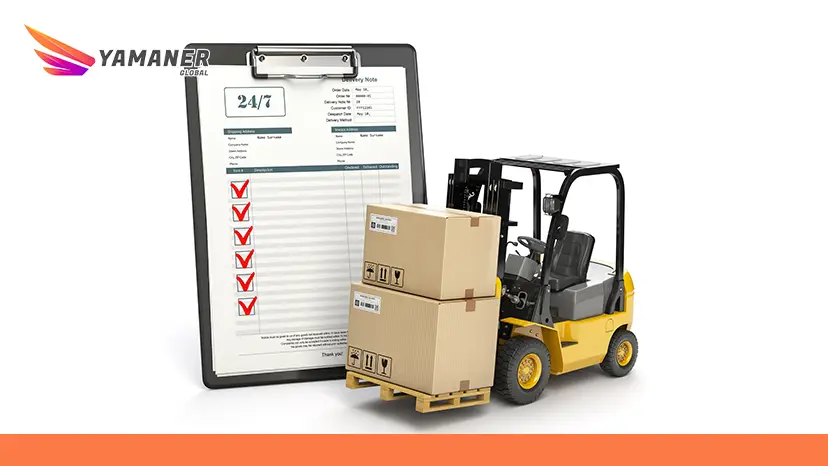
Certificate of Origin
The Certificate of Origin (COO) is a vital part of International Shipping Documents and customs documentation that certifies the country where the goods were manufactured or produced.
- Required by many countries to determine import duties and preferential trade benefits.
- Supports export documentation compliance in international logistics.
- Often requested by customs authorities to verify eligibility for trade agreements.
Properly prepared COOs help prevent delays, fines, or denied entry at destination ports.
Read Also : Sea Freight vs Air Freight: Which Shipping Method Is Right for You?
Read Also :Logistics Services: Definition, Types, and Importance for Businesses and Individuals
Packing List Requirements
The Packing List provides a detailed breakdown of shipment contents and is a vital International Shipping Document.
Key elements included in a packing list:
- Number of packages, dimensions, and weight: Provides an accurate account of each package to help carriers and customs authorities plan handling and storage.
- Item descriptions and quantities: Clearly details what is inside each package, facilitating verification against the commercial invoice and other export documentation.
- Special handling instructions or markings: Notes fragile items, hazardous materials, or temperature-sensitive goods, ensuring proper treatment during transit.
A complete and precise packing list, as part of your International Shipping Documents, allows customs officers to efficiently verify shipment contents, reduces the risk of inspection delays, and prevents discrepancies that could lead to fines or rejected shipments. Properly prepared packing lists also improve coordination with carriers, support efficient cargo delivery, and strengthen overall compliance with international trade regulations.
Customs Declaration Process
The Customs Declaration is a fundamental International Shipping Document that formally submits detailed shipment information to the relevant customs authorities. It ensures compliance with international trade regulations and facilitates smooth clearance for both imports and exports.
Key aspects of the customs declaration process include:
- Integration of Essential Documents: The declaration incorporates data from the commercial invoice, packing list, and certificate of origin, providing customs authorities with a complete overview of the shipment.
- Compliance with Duties and Taxes: Accurate declarations guarantee that all applicable duties, tariffs, and taxes are correctly calculated and paid, preventing legal issues or financial penalties.
- Mitigating Risks: Collaborating with experienced freight forwarders or customs brokers ensures that the declaration is properly completed, reducing the likelihood of fines, delays, or shipment rejection.
- Supporting Freight Compliance: A precise customs declaration contributes to freight compliance, ensuring that goods move efficiently through border controls and minimizing potential disruptions to the supply chain..
Proper management of International Shipping Documents is essential for smooth operations in global logistics. Ensuring accuracy across commercial invoices, bills of lading, certificates of origin, packing lists, and customs declarations minimizes risks, accelerates cargo clearance, and supports freight compliance at every stage of international trade.
Read Also : Smart Ways to Lower Shipping Costs While Maintaining Quality
Frequently Asked Questions About International Shipping Documents
1. What documents are mandatory for international shipping?
Mandatory International Shipping Documents typically include the Commercial Invoice, Packing List, and Bill of Lading (for sea freight) or Airway Bill (for air freight). Depending on the destination and goods, a Certificate of Origin, Shipper’s Letter of Instruction, and export/import licenses may also be required.
2. What is the purpose of a bill of lading?
The Bill of Lading (B/L) serves as a receipt for goods shipped via sea freight and acts as a document of title. It formalizes the contract of carriage between the shipper and carrier, allowing the consignee to claim the cargo at the destination port.
3. What happens if documents are incomplete?
Incomplete or inaccurate documentation can lead to shipment delays, fines, denied entry at customs, or disputes between the buyer, seller, and carrier. Accurate International Shipping Documents ensure smooth clearance and compliance.
4. Who prepares shipping documentation?
Shipping documentation is usually prepared by the exporter or shipper, often in coordination with freight forwarders or customs brokers. Experienced logistics partners help ensure all paperwork complies with international trade regulations and supports efficient cargo handling.