
Types of shipping containers come in various designs to meet specific cargo needs, and any professional shipping company will confirm that the most common are 20ft and 40ft dry containers for general goods. Other key types include reefers (refrigerated for perishables), flat racks (for oversized items), open top (for top-loading), and tank containers (for liquids/gases).
The Importance of Choosing the Right Shipping Container
Selecting a container is far more than a routine procedural step; it is a technical and economic decision that directly impacts the fluidity of your supply chain. The strategic importance of this choice is highlighted in the following points:
Protection Against Environmental Hazards:
The right container acts as a shield against volatile weather conditions during long sea voyages. Choosing a hermetically sealed unit prevents the ingress of moisture and salt spray—which can lead to metal corrosion or textile degradation—while specialized refrigerated units ensure sensitive shipments remain within a safe thermal range, protected from extreme port temperatures.
Minimizing Mechanical Stress and Physical Damage:
During port handling and crane operations, cargo is subjected to significant vibrational and kinetic forces. Matching container specifications to the nature of the load (such as using Flat Racks for heavy-duty machinery) ensures balanced weight distribution. This prevents internal shifting and structural collapse, reducing overall damage risks by up to 40%.
Maximizing Space Efficiency and Cost-Effectiveness:
Choosing the correct size—whether a 20ft container for heavy, dense goods or a 40ft unit for light, bulky items—helps eliminate wasted space. This not only prevents cargo from moving during transit but also ensures you are paying the most efficient freight rate without subsidizing unutilized volume.
Maintaining Structural Integrity from Factory to Warehouse:
A carefully selected container guarantees that the product remains in the exact condition it left the factory. In 2026, end consumers in markets like Riyadh or Muscat expect zero defects in packaging or product quality. The right container is your only insurance that your commercial investments will arrive without compromising their technical or aesthetic standards.
Types of Shipping Containers
Modern Marine shipping containers have evolved into sophisticated engineering solutions that cater to the intricate demands of global trade. Below is a strategic breakdown of the various options available in 2026 based on your specific commodity needs:
Dry Containers and Their Uses
Dry storage units are the backbone of International shipping containers, characterized by:
- All-Purpose Protection: They provide a fully enclosed, wind-and-watertight environment, making them ideal for solid, dry goods that require protection from the elements.
- Global Standardization: Available in standard 20ft and 40ft containers, they are designed for seamless multimodal transport across ships, trains, and trucks.
- Versatility: These are the primary choice for consumer electronics, textiles, furniture, and palletized manufactured goods that are not sensitive to temperature fluctuations.
Refrigerated Containers for Sensitive Shipments
Commonly known as “Reefers,” these units are critical for maintaining the integrity of the global cold chain:
- Precision Climate Control: Equipped with advanced cooling units, they maintain consistent internal temperatures ranging from deep-freeze to light chilling.
- Cold Chain Reliability: Essential for transporting pharmaceuticals, vaccines, fresh fruits, vegetables, and meat products, ensuring they arrive compliant with international health standards.
- Atmosphere Management: In 2026, many reefers now include controlled atmosphere technology to manage oxygen and $CO_2$ levels, slowing the ripening process during long transits.
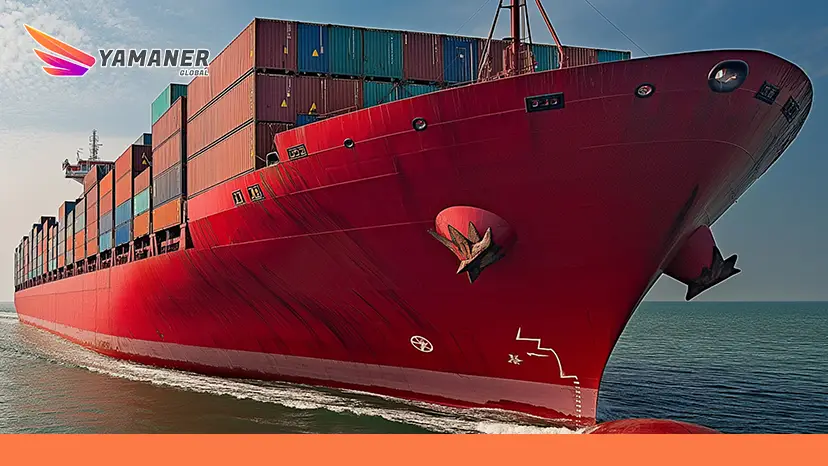
Open Containers for Large Shipments
“Open Top” containers are the specialized solution for cargo with unconventional heights:
- Top-Loading Capability: By removing the roof, cargo can be loaded via crane from above—a vital feature for machinery or pipes that cannot fit through standard side doors.
- Flexible Weatherproofing: They feature a high-grade, removable tarpaulin roof that can be secured to protect the shipment from environmental exposure while allowing for over-height flexibility.
- Ideal for Bulky Raw Materials: Frequently used for large marble slabs, heavy scrap metals, and industrial equipment that exceeds the internal height of a standard dry box.
Flatbed Containers for Heavy Shipments
Flat-rack containers are engineered specifically for heavy-duty and “Out-of-Gauge” (OOG) loads:
- Reinforced Structural Integrity: Featuring exceptionally strong floors and no side walls, they are built to sustain concentrated weights that would compromise a standard container.
- Multi-Directional Loading: The lack of fixed walls allows for easy loading from the sides or the top, which is essential for oversized cargo.
- Heavy Industry Support: These are the go-to choice for transporting wind turbine components, industrial boilers, tractors, and heavy construction machinery.
Differences Between Shipping Container Sizes
Understanding Shipping container sizes is vital for accurate cost estimation and space planning. The standard industry dimensions include:
- 20ft and 40ft containers: The 20ft unit is generally preferred for heavy, dense cargo. If you are shipping excess weight from Türkiye, such as industrial machinery or construction materials, the 20ft container is often the most cost-effective and safest option to ensure weight is distributed correctly without exceeding maritime limits.
- 40ft shipping container (High Cube): For shipments requiring extra height, the “High Cube” version of the 40ft shipping container provides an additional foot of vertical space, allowing for more stacking capacity without increasing the footprint.
| Container Type | Best Use Case | Standard Lengths |
| Dry Storage | General retail/industrial goods | 20ft / 40ft |
| Refrigerated | Perishables/Medical supplies | 20ft / 40ft |
| Open Top | Over-height/Bulky machinery | 20ft / 40ft |
How to Choose the Right Container Type?
To determine the best fit for your shipment, evaluate these three factors:
- Cargo Nature
- Environmental Sensitivity: Does your cargo require strict climate control? Pharmaceuticals and perishables mandate a Refrigerated (Reefer) container. For stable, solid goods like textiles or electronics, a standard dry box is the industry baseline.
- Ventilation & Specialized Security: Certain industrial chemicals require specialized ventilation to prevent gas buildup. Conversely, high-value retail goods may require reinforced dry containers equipped with advanced GPS and security tracking protocols.
- Volume vs. Weight
- The Heavy Load Factor: If your cargo is dense and heavy (such as minerals, stone, or heavy machinery parts), a 20ft container is the most strategic choice. It allows you to reach the weight capacity without paying for unused volume.
- The Volume Factor: For lightweight but bulky goods (such as furniture, toys, or clothing), the 40ft shipping container—specifically the High Cube version—is superior. It offers double the volume, providing a significantly better ROI per cubic meter (CBM).
- Handling Capabilities
- Port & Terminal Infrastructure: Not all ports are equal. You must confirm that the destination port possesses the specialized cranes and gear required for Open Top or Flat-rack units. This prevents costly “stuck cargo” fees and delays.
- Site Logistics: Ensure the final warehouse or delivery site is equipped to handle the chosen container. For instance, Side-door containers require specific lateral clearance for unloading that standard rear-loading docks may not provide.
International Container Shipping Services
At Yamaner, we provide end-to-end container solutions connecting Türkiye and China to the entire Middle East. As a leading Express shipping company, we pride ourselves on streamlining logistics and offering accelerated transit times, ensuring that your commercial investments are transported with maximum efficiency and according to global safety standards.
Yamaner Logistics Tip: Always inspect the “Container Safety Convention” (CSC) plate before loading. This ensures the unit is structurally sound and cleared for international sea transit, preventing delays at customs.
Contact our experts today for a free container optimization consultation.
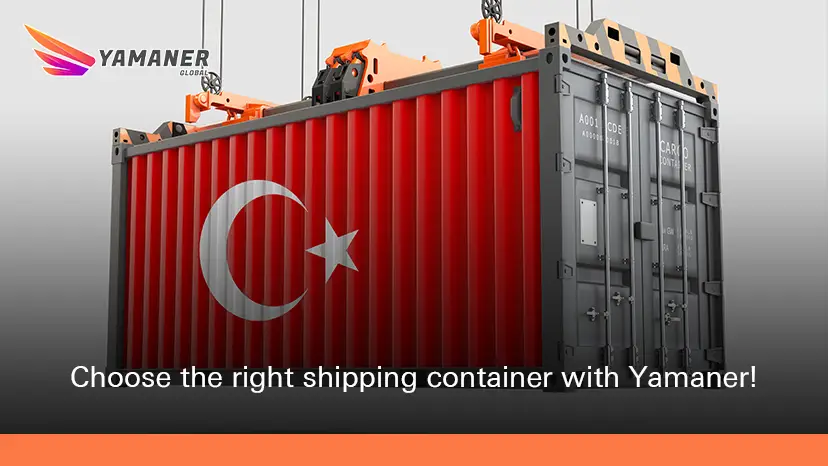
Frequently Asked Questions about Types of shipping containers
What are the different types of shipping containers?
The shipping industry offers a wide variety of containers tailored to specific cargo. The primary types include Dry Storage (standard), Refrigerated (Reefers), Open Top (for height), Flat Rack (for heavy/oversized loads), ISO Tanks (for liquids), and Side-Door containers (for easy access).
What is the difference between dry and refrigerated containers?
The main difference lies in climate control.
Dry Containers: Are fully enclosed and weatherproof but have no internal temperature regulation. They are used for general goods like electronics or clothes.
Refrigerated Containers (Reefers): Act as mobile refrigerators/freezers with a built-in cooling unit to maintain a specific temperature, making them essential for food, flowers, and pharmaceuticals.
How do I choose the right shipping container?
To choose correctly, evaluate three main pillars:
Cargo Requirements: Does it need cooling, ventilation, or top-loading?
Weight vs. Volume: Use a 20ft container for heavy, dense items and a 40ft container for light, bulky items.
Port Equipment: Ensure the destination port has the specialized cranes needed if you choose an Open Top or Flat Rack.
What are the most commonly used types of containers?
The 20ft and 40ft Dry Containers remain the industry standard, accounting for the vast majority of global trade. Specifically, the 40ft High Cube (HC) is the most popular choice in 2026 due to its extra vertical space, which offers the best value for high-volume consumer goods.