
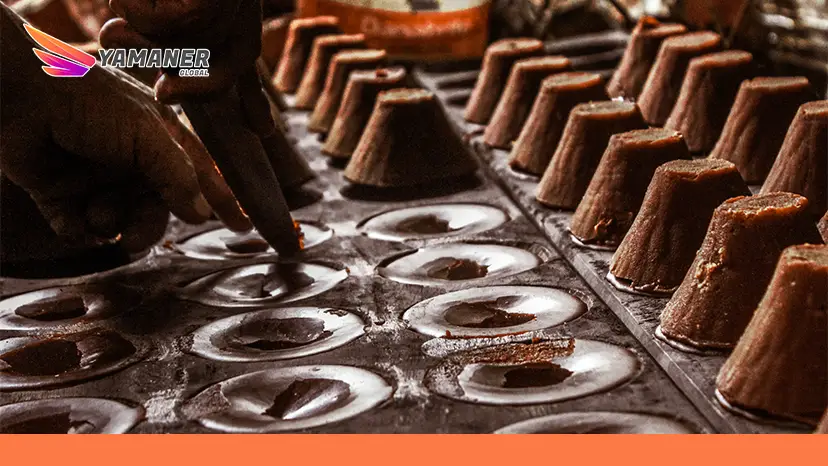
The Chocolate factories in Türkiye produce premium goods; thus, partnering with an International shipping company ensures success. Read on to discover more.
Why Chocolate factories in Türkiye are famous globally?
Turkish chocolate has built an exceptional global reputation by perfectly blending culinary heritage, premium raw materials, and highly competitive pricing. This success is heavily driven by the advanced capabilities of Chocolate factories in Türkiye, which leverage massive local agricultural advantages to create products that easily outperform standard market offerings.
- Premium Local Sourcing: By producing over 70% of the world’s hazelnuts, local brands have immediate, cost-effective access to world-class Turkish Nuts, pistachios, and dried fruits, resulting in distinctively rich and creamy fillings.
- Unique Cultural Blends: The industry embraces cultural creativity, often fusing traditional sweets with modern confectionery techniques to create unique products that stand out internationally.
- High Production Standards: Top manufacturers strictly follow EU food laws, HACCP, and ISO 9000 protocols, ensuring advanced, safe, and innovative production lines.
- Affordability and Value: Despite the luxurious quality, these confectionery products are offered at highly accessible price points compared to traditional European brands.
- Extensive Export Network: This dedication to quality and value enables the sector to export over $1 billion in cocoa products to nearly 200 countries worldwide.
The best chocolate factories in Türkiye
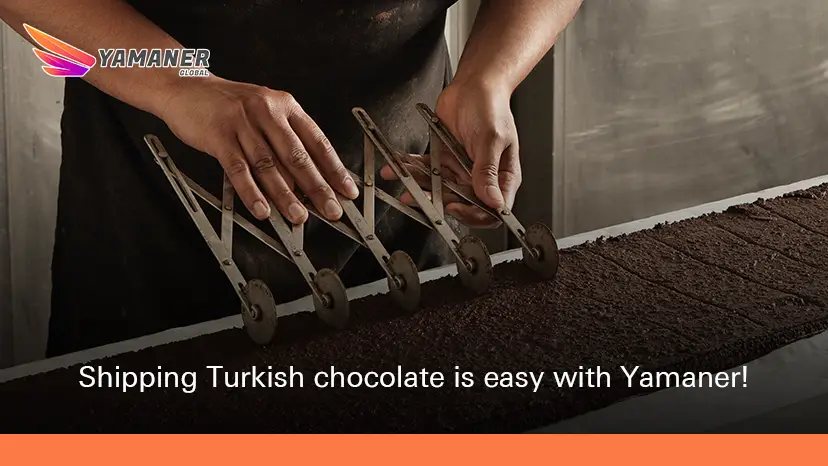
The manufacturing landscape offers everything from massive industrial global suppliers to highly specialized boutique artisans. When looking at the top Chocolate companies in Türkiye, these are the most prominent names leading the market in 2026:
- Altinmarka: Founded in 1992, this global heavyweight is the world’s sixth-largest industrial cocoa manufacturer and second-largest in chocolate production.
- Ulker: A historic brand established in 1944, acting as a massive international player exporting a vast variety of biscuits and sweets to over 110 countries.
- Eti: Operating since 1962, this brand is highly regarded on the global stage for its continuous product innovation and unique flavor profiles.
- Solen: A modern facility established in 1989, widely recognized for its elegantly packaged, premium treats and expansive global distribution.
- Pelit: A symbol of artisanal excellence since 1957, famous not only for its high-end quality but also for hosting its very own chocolate museum in Istanbul.
- Melodi: Operating since 1957, this boutique producer is the premier choice for high-end pralines, dragees, and artisanal chocolate designs.
- Bolci & Chocovia: Brands highly specialized in regional varieties, crafting rich pralines, and perfectly coating dried fruits and nuts.
- ANL Food & Ender Chocolate: Reliable Chocolate factories in Türkiye known for the steady, high-volume manufacturing of everyday consumer goods and cocoa-coated wafers.
Criteria for choosing a reliable chocolate factory in Turkey
Just as international buyers carefully screen Clothing suppliers from Türkiye for fabric durability, choosing a confectionery manufacturing partner requires thorough due diligence. To find a dependable supplier among the Best Turkish chocolate factories, you must evaluate these core operational criteria:
- Certifications and Food Safety: A trustworthy manufacturer must hold internationally recognized credentials like ISO 22000 and HACCP. For European markets, BRCGS or IFS certifications are non-negotiable, alongside standard Halal or Organic badges.
- Product Quality and Consistency: The factory must prove it can maintain uniform fat content, viscosity, and tempering behavior across massive production runs. Always request physical samples to test the aroma and texture before signing a contract.
- Production Capacity and Flexibility: Ensure the supplier has proven experience with private label manufacturing. They should have the scalability to handle massive industrial orders within strict timeframes.
- Logistics and Export Experience: Prioritize partners located near major shipping hubs to keep freight costs low. They must also have a flawless track record of providing necessary export documents, such as Certificates of Analysis.
- Verification and Reputation: Always verify a supplier’s legitimacy through official channels like the local Chambers of Commerce or major trade exhibitions, ensuring they welcome third-party audits and maintain climate-controlled storage.
Steps to import chocolate from Turkey
Navigating the wholesale markets in Türkiye for premium confectionery is a systematic process that requires careful planning. Following these steps will help you secure the best Turkish chocolate wholesale deals while maintaining high standards:
- Market Analysis and Sourcing: Start by identifying reputable suppliers through trade fairs or digital platforms, and always request physical samples to ensure the flavor profile aligns with your target market.
- Quality Verification: Once samples arrive, conduct thorough testing for texture and shelf-life to confirm the product meets your local food safety requirements.
- Negotiation of Terms: Finalize the critical details of your agreement, including total volume, production timelines, and the specific shipping terms (Incoterms) that best suit your budget.
- Documentation Management: Coordinate with the factory to gather all necessary legal paperwork, such as health certificates and origin stamps, before the goods leave the facility.
- Logistics and Customs Setup: Partner with a dedicated freight forwarder and a customs broker to manage the transition from the factory to the port of entry.
- Arrival Quality Control: Inspect the shipment immediately upon delivery to verify that the temperature-sensitive goods arrived in perfect condition without any signs of melting.
Conditions for importing Turkish chocolate
To clear border controls smoothly and avoid costly delays, your import process must satisfy several strict regulatory requirements. Compliance is essential for any business dealing with Chocolate factories in Türkiye:
- Commercial Status: The importer must possess valid commercial registration and the necessary legal permits for international trade.
- Health and Safety Compliance: You must provide a certified Health and Safety Certificate proving that the chocolate meets international food standards.
- Validated Origin: A Certificate of Origin, officially approved by the local Chamber of Commerce, is required to confirm the products were manufactured in Turkey.
- Certified Paperwork: Ensure you have a certified Commercial Invoice and a detailed Packing List that accurately describes every item in the shipment.
- Accurate Labeling: All products must strictly comply with local labeling laws, which include clear ingredient lists, allergen warnings, and visible expiration dates.
Methods of shipping chocolate from Turkey
Because chocolate is a highly temperature-sensitive product, choosing the right logistics method is vital for preserving quality. The wholesale markets in Türkiye offer several transport solutions depending on the urgency and volume of your order:
- Temperature-Controlled Air Freight: This is the most reliable method for high-value or urgent shipments, as it minimizes transit time and reduces the risk of spoilage due to temperature fluctuations.
- Refrigerated Sea Freight: For large industrial bulk orders, using refrigerated (reefer) containers is the most cost-effective way to transport goods over long distances while maintaining a stable climate.
- Specialized Insulated Packaging: Regardless of the transport mode, chocolate should be packed in food-safe, insulated containers with additional cushioning to protect against heat and physical impact.
Cost of shipping and importing chocolate from Turkey
The total expense of your import operation is influenced by various logistical and regulatory factors rather than just the base price of the goods. When budgeting for your shipment from Chocolate factories in Türkiye, consider the following variables:
- Logistical Factors: Total costs are primarily driven by the shipment’s gross weight, total volume (CBM), and the speed of the chosen delivery method.
- International Tariffs: Depending on your destination country, specific import duties and tariffs will apply based on the official classification of the chocolate products.
- Regulatory Compliance Fees: Budget for expenses related to international food safety regulations, such as the EU deforestation directives which apply to cocoa-based goods.
- Brokerage and Handling: Factor in the professional fees for customs brokers, port handling charges, and mandatory cargo insurance to protect your investment.
Customs clearance for imported chocolate
Delays at the border can be devastating for perishable goods like chocolate. To ensure a fast and efficient customs clearance process, you must focus on meticulous documentation:
- HS Code Accuracy: Every product must be correctly classified under the appropriate harmonized system code to determine the correct tax treatment and required permits.
- Documentation Alignment: Border agencies require that your Bill of Lading, Commercial Invoice, and Health Certificates are perfectly matched and free of errors.
- Local Food Safety Laws: Be aware of specific regional directives, such as limits on vegetable fat content in the EU, which may require additional testing or specific labeling.
- Professional Brokerage: Utilizing a licensed customs broker is highly recommended to navigate the complex and frequently changing tariff landscapes in major markets.
Tips for ensuring successful import from Turkish factories
Success in the Turkish chocolate wholesale market relies on building secure, transparent, and professional partnerships. Much like working with high-end Perfume companies in Türkiye, importing confectionery requires attention to detail:
- Verify Supplier Credentials: Always confirm the factory’s legitimacy by checking their tax registration and international certifications like ISO or HACCP.
- Draft Ironclad Contracts: Use specific legal contracts that clearly define quality standards, packaging requirements, and strict delivery dates.
- Prioritize Sample Testing: Never commit to a large-scale order without first evaluating the durability and taste of product samples.
- Partner with Specialists: Work with logistics agents and freight forwarders who specialize in food-grade, temperature-controlled transport to manage the “cold chain” effectively.
Request a price quote for shipping chocolate from Turkey
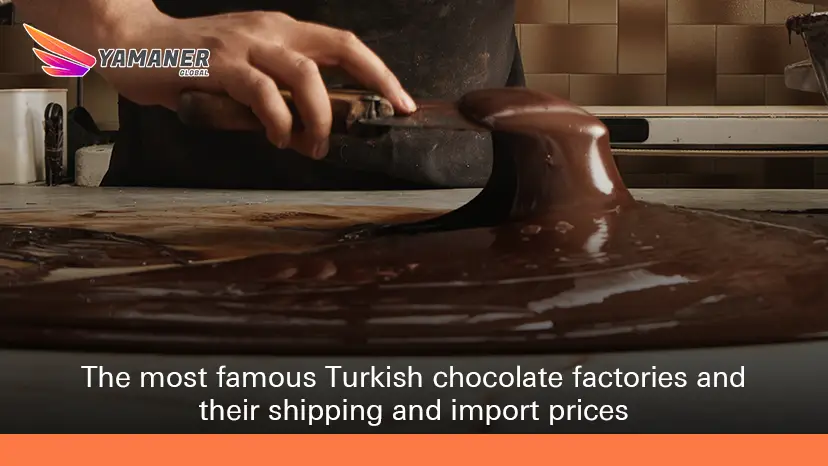
To receive an accurate and competitive logistical estimate for goods sourced from Chocolate factories in Türkiye, you must provide detailed data to your carriers:
- Shipment Specifications: Provide the exact gross weight, total volume, and dimensions of every package in the shipment.
- Temperature Requirements: Clearly specify if refrigerated transport is mandatory, particularly if shipping to warmer climates.
- Incoterms Selection: Define the terms of the sale (such as FOB, CIF, or EXW) so the carrier knows exactly where their responsibility begins and ends.
- Route Information: Include the full address of the pickup location at the factory and the final delivery destination, including the postal code.
Yamaner: Your Strategic Gateway to Premium Turkish Chocolate
With Yamaner’s extensive expertise in cold-chain logistics, we guarantee your orders from the Best Turkish chocolate factories arrive in flawless condition, fully protected from temperature risks. We manage every detail of customs clearance and international freight, allowing you to scale your trade with absolute peace of mind.
Contact us today and book your service with the experts for a seamless, professional shipping experience.
FAQs About the Chocolate factories in Türkiye
-
What are the best chocolate factories in Türkiye?
The Turkish market is led by world-class industrial giants and high-end artisanal brands. Ulker and Eti are among the most recognized global exporters, while Altinmarka stands as one of the largest industrial cocoa and chocolate producers in the world.
For those seeking premium or unique varieties, Solen, Pelit, and Bolci offer exceptional quality that caters to both luxury retail and international gift markets.
-
How can I import chocolate from Türkiye successfully?
The process begins with identifying reliable Chocolate companies in Türkiye and requesting physical samples to test for flavor and temperature resistance. It is crucial to verify that the manufacturer holds essential certifications like ISO, HACCP, and Halal.
Once quality is confirmed, you must negotiate clear shipping terms (Incoterms) and coordinate with a customs broker to manage the necessary legal paperwork, including health certificates and origin documents.
-
What are the expected shipping costs for Turkish chocolate?
Shipping expenses are influenced by the volume of the order and the required transport speed. While air freight is ideal for urgent samples, large-scale bulk orders are typically shipped via sea. Because chocolate is perishable, it often requires “reefer” or refrigerated containers to maintain a stable climate, which can increase the standard freight rate.
Additionally, an International shipping company will factor in destination duties and local taxes based on the product’s sugar and cocoa content.
-
Is importing from Turkish chocolate factories a profitable business?
Yes, importing from the Best Turkish chocolate factories is highly lucrative due to the country’s competitive manufacturing costs and its strategic proximity to major markets in Europe and the Middle East.
Businesses can achieve strong profit margins by leveraging private labeling services offered by many factories. Furthermore, the high global demand for Turkish confectionery ensures a steady market for importers looking for a perfect balance between premium quality and affordability.